
Introduction: Building Robust Natural Protection
Understanding how to boost immune system naturally is fundamental to achieving lasting health. Your immune system—a complex network of cells and proteins—works constantly to protect you. This sophisticated system needs consistent, science-backed care to maintain peak immune function.
The Goal: Beyond Quick Fixes
In our busy modern lives, chronic stress, insufficient sleep, and poor nutrition often strain this network. When the immune system is overwhelmed, you might find yourself getting sick more often or recovering slowly. The objective here is not to artificially stimulate the system, but to establish the foundational support necessary for long-term immune robustness.
What This Guide Offers
This guide explains, in clear and practical terms, how to support your immune function using evidence-based strategies. Drawing on guidelines from respected sources like the National Institutes of Health (NIH) and Harvard Health, we will outline the most effective steps to bolster your protection safely.
Practical Benefits
By adopting these protocols, you invest in your future health, leading to faster recovery, reduced systemic inflammation, and improved daily energy.
Understanding Your Immune System: Balance and Inflammation
To effectively support your immune health, it helps to understand its mechanics. The body’s protective mechanisms are managed by two main systems that work in constant collaboration.
Innate and Adaptive Immunity: A Coordinated Response
Your body’s protection involves two main arms:
- Innate Immunity (The Rapid Response): This is your immediate, non-specific first line of defense. Immune cells like macrophages and Natural Killer (NK) cells patrol constantly, ready to destroy threats right away.
- Analogy: Think of this system as the immediate police force, responding rapidly to any disturbance.
- Adaptive Immunity (The Memory Response): This response is initially slower but develops highly specific memory after an exposure. B cells produce custom antibodies, and T cells coordinate attacks, ensuring a quicker, stronger response on subsequent encounters.
- Analogy: This is the intelligence agency, developing specific, long-term defense strategies against known adversaries.
Why Chronic Inflammation Hinders Immune Function
While acute inflammation is necessary for healing, chronic, low-grade inflammation—often fueled by poor diet or persistent stress—is highly detrimental. This constant activity exhausts immune cells, making the overall system less effective when a true threat arises. Managing this background inflammation is crucial for sustained protective function.
Pillar 1: Nutrition — Fueling Immune Function from the Gut
Nutrition is the most powerful tool for natural functional support. It provides the essential building blocks for immune cells, which require a steady, balanced supply of nutrients to operate effectively.
The Microbiome: The Essential Gut Connection
Approximately 70% of the body’s immune cells reside in the gut. Therefore, the health and diversity of your gut microbiome are foundational to your overall protective capability.
Prebiotics, Probiotics, and Gut Diversity
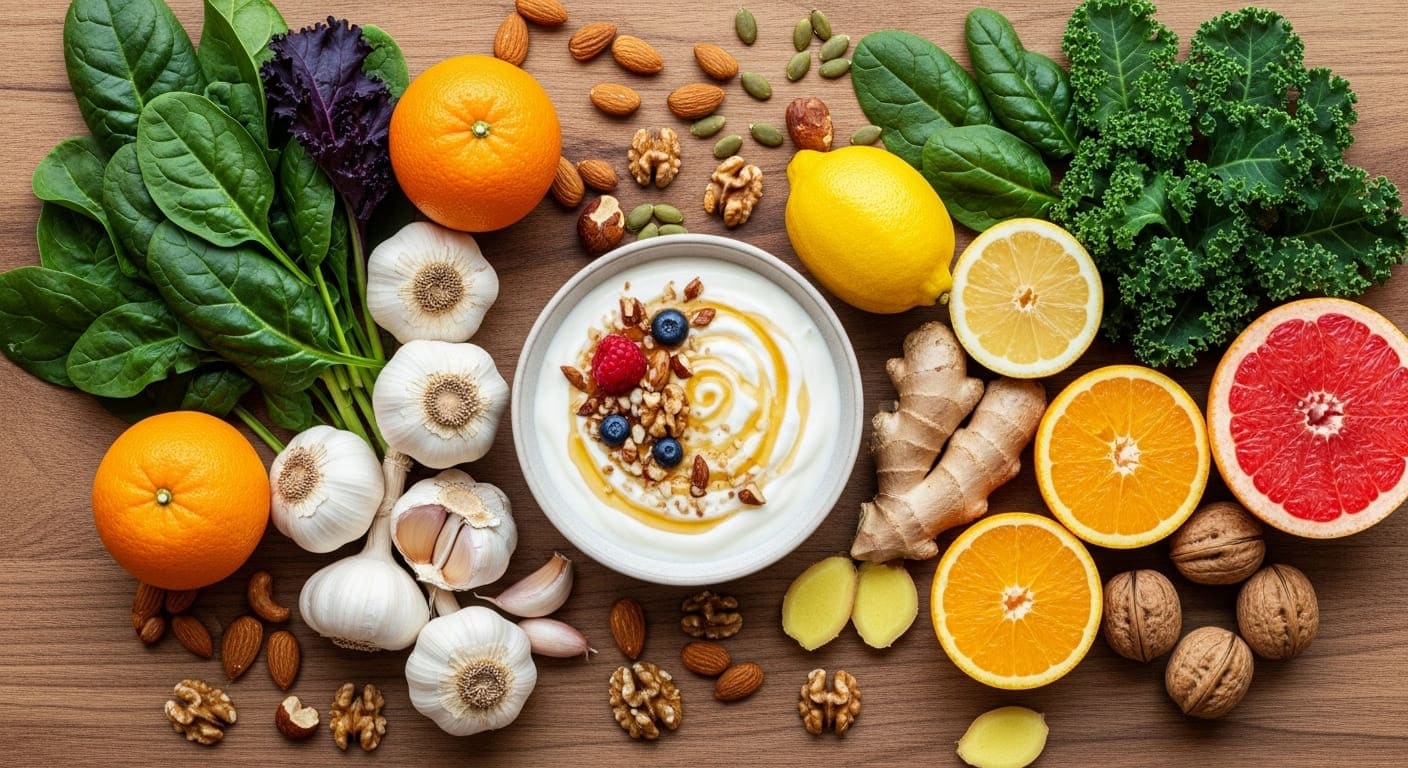
- Prebiotics: These specialized fibers feed beneficial gut bacteria. Focusing on a diversity of whole, plant-based foods is key. Sources: Garlic, onions, asparagus, slightly green bananas, and whole grains.
- Probiotics: Live microorganisms found in fermented foods that help replenish beneficial bacteria populations. Sources: Yogurt with live cultures, kefir, sauerkraut, and kimchi.
Key Micronutrients and Their Roles
The function of immune cells relies heavily on specific vitamins and minerals. Deficiencies can significantly compromise the body’s ability to fight infection.
| Nutrient | Primary Role in Protection | Food Sources for Optimizing Protection |
| Vitamin D | Key regulator; helps T-cell activation and cytokine production. | Fatty fish (salmon), fortified milk, egg yolks. |
| Zinc | Essential for the development and function of immune cells. | Oysters, red meat, legumes, nuts, whole grains. |
| Vitamin C | Potent antioxidant; supports phagocyte function and rapid cell growth. | Citrus fruits, bell peppers, strawberries, kale. |
| Selenium | Supports antiviral activity and helps regulate responses. | Brazil nuts (limit to 1-2 per day), seafood. |
| Vitamin A | Critical for the integrity of mucosal barriers (gut, lungs)—the primary physical defense. | Sweet potatoes, carrots, spinach, liver. |
Antioxidants and Omega-3s: Managing Oxidative Stress
Polyphenols (found in colorful plants) are powerful antioxidants that protect immune cells from oxidative stress. Furthermore, Omega-3 fatty acids (EPA and DHA) are important anti-inflammatory agents. They actively help resolve inflammation, preventing it from draining your system.

Pillar 2: Sleep and Stress The Body’s Recovery Mode
Beyond nutrition, rest and recovery are foundational. Consistent sleep and effective stress management are necessary for maintaining a strong protective status.
Sleep Hygiene: Essential for Immune Cell Production
During consistent, high-quality sleep, the body releases signaling proteins like cytokines, necessary for fighting infection and coordinating inflammation. Lack of sleep actively suppresses the natural immune response.
- Scientific Insight: Guidelines widely reported by the NIH indicate that insufficient sleep can significantly reduce the number of Natural Killer (NK) cells, compromising your rapid response system.
- Protocol: Adults should consistently aim for 7–9 hours of high-quality sleep nightly. Consistent schedules optimize the body’s natural rhythms, which directly influence how the immune system responds.
Cortisol Overload: Stress and the Suppressed Protective Response
Chronic stress triggers the continuous release of cortisol. While a small amount is useful, prolonged high levels suppress the production and communication of key immune cells. Chronic stress is also linked to decreased levels of secretory IgA (sIgA), a crucial antibody lining mucosal membranes.
Practical Protocols for Autonomic Nervous System Regulation
Regulating your nervous system is important for everyday immune function:
- Mindfulness and Meditation: Reduces cortisol levels and can positively influence gene expression related to inflammation.
- Deep Breathing: Techniques like the 4-7-8 method stimulate the vagus nerve and the parasympathetic nervous system, helping to immediately counteract the effects of stress.
- Nature Exposure: Associated with lower levels of stress hormones and enhanced NK cell activity.

Pillar 3: Movement and Hydration — Circulation and Barriers
Consistent physical activity and proper hydration are accessible ways to improve the circulation and protective barriers of the immune system.
Moderate Exercise: Enhancing System Surveillance
Regular, moderate-intensity exercise improves cardiovascular health, which enhances the efficiency of your immune system’s surveillance.
- Circulation: Exercise increases blood and lymph fluid flow, ensuring immune cells circulate more rapidly throughout the body for quicker detection of threats.
- Anti-Inflammatory Effect: Exercise stimulates the release of anti-inflammatory compounds. Guidelines from the Mayo Clinic suggest that achieving the recommended 150 minutes of moderate exercise per week can lower chronic inflammatory markers (like CRP) significantly.
- Caution: Avoid excessive, prolonged endurance training without adequate recovery, as this can temporarily suppress protective function.
The Lymphatic System and Hydration
The lymphatic system is a vital part of the immune network, responsible for clearing cellular waste and transporting protective immune cells.
- Fluid Flow: Adequate hydration ensures the optimal flow of lymph fluid, allowing these specialized cells to be efficiently mobilized.
- Mucosal Defense: Water is crucial for keeping mucosal membranes (in the nose, throat, and lungs) moist and intact. Dehydration compromises these primary physical barriers.

Targeted Support: Fact vs. Fiction in Supplements
Strategic supplementation should only be used to address specific, verified nutrient gaps. The foundation for natural functional support remains a nutrient-rich diet.
When and How to Supplement (Vitamin D and Zinc)
Addressing common deficiencies is one of the safest ways to support immune function:
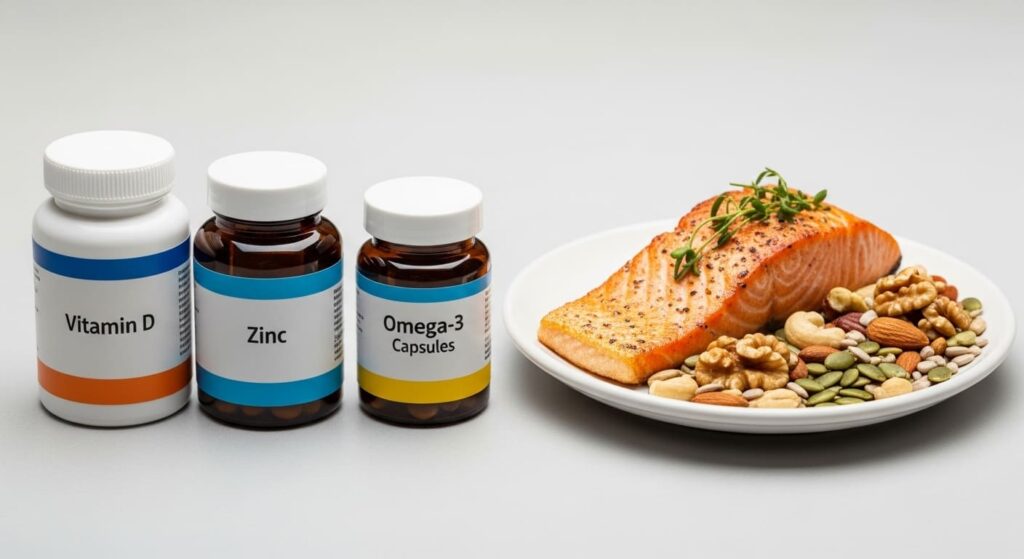
- Vitamin D: NIH guidelines emphasize that maintaining Vitamin D blood levels above 30 ng/mL is optimal for immune function. Supplementation is often required.
- Zinc: Essential for T-cell function. It may be helpful when taken at the onset of a cold. Crucial Warning: Long-term, high-dose zinc (above 40 mg daily) can induce a copper deficiency, which impairs the immune system. Supplementation should be medically reviewed.
Immune Modulators: Beta-Glucans and Elderberry
Certain natural compounds demonstrate modulatory effects:
- Beta-Glucans: These fibers, found in medicinal mushrooms, activate receptors on immune cells, enhancing their ability to detect pathogens.
- Elderberry (Sambucus): Rich in anthocyanins, it may reduce the duration of cold or flu symptoms if taken early (within 48 hours).
Myths vs. Scientific Reality
| Myth | Scientific Fact | Prudent Recommendation for Stronger Immune Function |
| Mega-doses of Vitamin C prevents illness. | While necessary, high doses are mostly excreted. Extreme doses can have pro-oxidant effects. | Consume Vitamin C-rich foods daily; supplement only to meet optimal intake goals. |
| Antibiotics boost immunity. | Antibiotics target bacteria, not viruses. They severely disrupt the gut microbiome, which weakens overall protective capability. | Only use antibiotics when prescribed by a doctor for a confirmed bacterial infection. |
| You can “detox” your system.” | The liver and kidneys are the detox organs. Extreme cleanses stress the body and deplete essential nutrients. | Support the liver and kidneys naturally with hydration, fiber, and diverse antioxidants. |
Safety First: Warning Signs and Monitoring
Recognizing when to seek professional help is a crucial part of responsible self-care.
When Natural Support Isn’t Enough: Consult a Specialist
Seek specialized medical evaluation if you experience:
- Recurrent Infections: Consistently experiencing severe, prolonged, or unusual infections.
- Chronic Unexplained Fatigue: Severe fatigue that does not resolve with adequate sleep and lifestyle changes.
- Autoimmune Concerns: If you suspect your body’s protection is misdirected (e.g., persistent joint pain, unexplained inflammation).
Medical Warning: As per guidelines from the Cleveland Clinic, individuals with diagnosed autoimmune conditions must consult a specialist before taking immune-stimulating supplements.
Risks of High-Dose Supplementation and Drug Interactions
Be aware that supplements carry risks of toxicity and dangerous drug interactions. Always inform your doctor about all supplements you are currently taking.
Key Metrics for Monitoring Immune Health
You can monitor your protective status indirectly by tracking these key health markers:
| Metric | Why It Matters for Immune Health |
| Vitamin D (25-OH D) | Direct correlation with immune function; deficiency is highly common. |
| CRP (C-Reactive Protein) | A key marker of low-grade systemic inflammation that depletes functional resources. |
| Ferritin | Iron stores are essential for cell proliferation; both deficiency and excess are problematic. |
| HRV (Heart Rate Variability) | Proxy for stress level and nervous system regulation—indicates recovery capacity. |
See more in public health guidelines from the Mayo Clinic.
For in-depth understanding, consult materials from the Cleveland Clinic.
General recommendations about disease prevention can also be found at the OMS (WHO).

Final Action Plan: The Integrated Immune Checklist
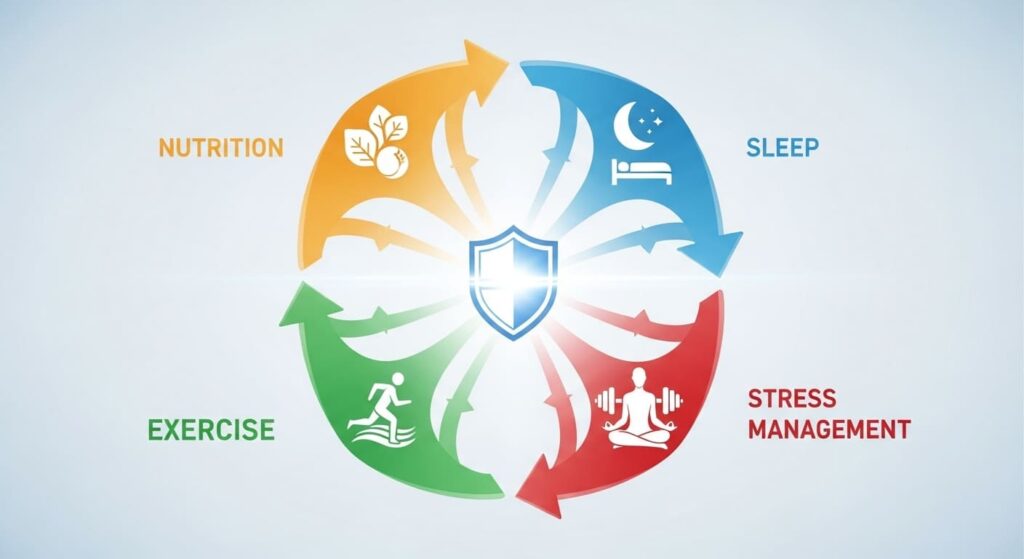
The most effective strategy to enhance your body’s protection is the daily, consistent integration of the four pillars. This compounding effect is the secret to sustained immune strength.
| Pillar | Essential Daily Action | Why It Works |
| Nutrition | Consume diverse fruits, vegetables, and fermented foods. | Fuels the gut microbiome, where 70% of immune cells reside. |
| Sleep | Guarantee a consistent 7–9 hours of sleep every night. | Optimizes cytokine release and immune cell repair/production. |
| Stress | Practice 10–15 minutes of mindfulness or deep breathing daily. | Lowers chronic cortisol, reducing systemic suppression. |
| Movement | Achieve 30 minutes of moderate activity (e.g., brisk walk) 5x per week. | Enhances immune cell circulation and provides anti-inflammatory benefits. |
Conclusion: Committing to Lifelong Immune Health
Your journey to support your immune health naturally is a commitment to balance and consistent daily care. Immune strength is the powerful result of compounding small, evidence-based habits across nutrition, rest, movement, and emotional regulation.
By committing to these scientifically-backed practices, you are building a robust foundation that will support your health and vitality for life.
Your Final Call to Action:
To safely begin strengthening your natural response, choose one focused action this week: Commit to 5 minutes of deep, diaphragmatic breathing every day. This simple step will immediately begin to regulate your nervous system, laying the groundwork for greater immune strength.
Leave a Reply