
Slow digestion is not just an inconvenience; it’s a widespread issue that signals inefficient function in one of the body’s most critical systems. If you frequently experience debilitating bloating, a persistent feeling of heaviness hours after eating, or noticeably slow bowel movements, your body is struggling to process food and eliminate waste efficiently. The good news is that the solution to how to speed up digestion lies primarily in understanding the science of your gut.
Modern lifestyle factors—chronic stress, prolonged sitting, and diets high in refined foods—actively work against the natural rhythm of your gastrointestinal (GI) tract, severely slowing down gut motility and nutrient absorption.
This guide moves beyond generic advice. We will scientifically explain the mechanisms, physiological controls, and actionable, step-by-step techniques to improve digestion safely and effectively. The following information is summarized from peer-reviewed research and reputable health organizations, ensuring you receive trustworthy, deeply researched digestion tips.
What Really Controls Digestion?
To truly master how to speed up digestion, we must first appreciate the intricate, involuntary mechanisms that govern this system—a process controlled by a dedicated network of nerves, muscles, and hormones.
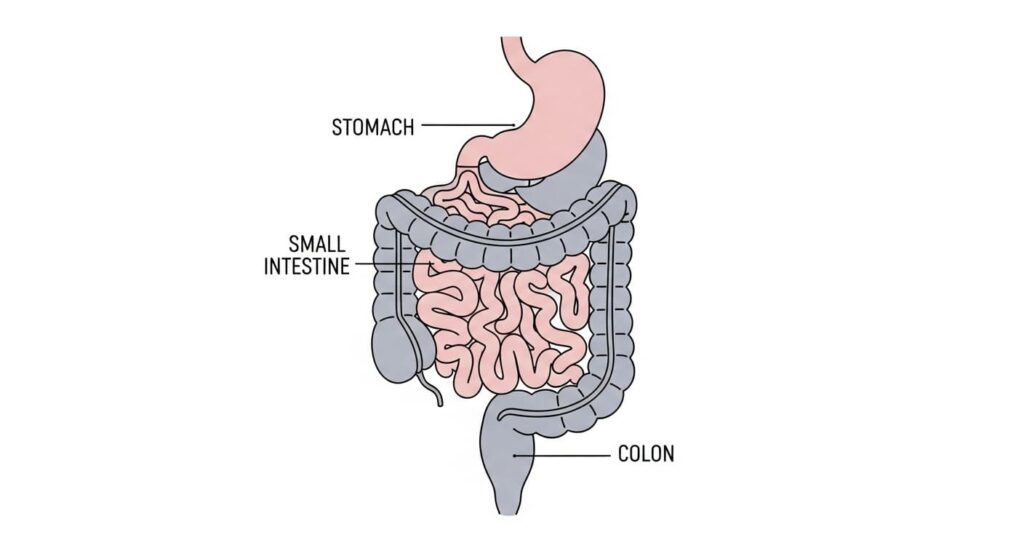
The Digestive Process from Stomach → Intestines → Colon
Digestion is a continuous, muscular process driven by the enteric nervous system (the “second brain”). The movement of contents relies on coordinated, wave-like muscular contractions called peristalsis.
- Stomach Emptying: The stomach’s muscular churning and highly acidic environment break food into chyme. The pyloric sphincter carefully meters this chyme into the small intestine. The rate of stomach emptying is tightly controlled by hormonal feedback, primarily depending on the meal’s fat content and volume.
- Small Intestine Transit: Strong, sequential peristaltic waves push the chyme along the small intestine, where nutrient absorption occurs. If contents are poorly broken down or transit is too slow, absorption suffers, leading to discomfort.
- Colon Transit: The large intestine absorbs water and consolidates waste. Slowed transit here means waste sits longer, increasing water reabsorption, resulting in hard stools, increased bacterial fermentation, and painful gas accumulation.
Gut Motility and Why It Slows
Gut motility refers to the speed and regularity of the coordinated contractions across the entire GI tract. This function slows down when the muscular contractions weaken or are externally inhibited. When motility is sluggish, the migrating motor complex (MMC)—a crucial cleansing wave that sweeps residual matter and bacteria between meals—is impaired, which is a major contributor to discomfort and dysbiosis.
The Role of the Vagus Nerve
The vagus nerve is the key physical link for the parasympathetic nervous system—the “rest and digest” mode. It runs directly from the brainstem to the abdominal organs, regulating digestive secretions (acid, bile, enzymes) and dictating gut motility (Source: Cleveland Clinic). When you are calm and relaxed, the vagus nerve is highly active, promoting efficient movement. When stressed, the sympathetic “fight or flight” response overrides this vagal tone, causing the digestive system to virtually halt, explaining why stress is a primary driver of slow digestion causes.
How Gut Bacteria Influence Digestion
The gut microbiome plays a profound role in how to digest food faster. Trillions of bacteria residing in your colon ferment undigested carbohydrates (fiber) to produce crucial Short-Chain Fatty Acids (SCFAs), such as butyrate. SCFAs are not mere byproducts; they directly fuel the cells lining the colon and, more importantly, stimulate intestinal smooth muscle contractions, providing a powerful internal chemical signal to accelerate transit time. A diverse, well-fed microbiome is therefore essential for optimized motility.
Main Causes of Slow Digestion
Identifying the primary slow digestion causes is the crucial first step toward implementing targeted strategies to improve digestion. Every habit we address targets one of these core deficiencies.
- Low-Fiber Diet (Lack of Bulk): Fiber, particularly insoluble fiber (from skins and seeds), provides the physical bulk necessary to stretch the intestinal wall. This mechanical stretch is the primary signal that triggers stronger peristaltic contractions. A lack of bulk means the gut muscles aren’t adequately stimulated.
- Chronic Dehydration (Lack of Lubricant): Water is essential for lubricating the GI tract and keeping fiber hydrated. Without sufficient water, fiber absorbs the gut’s limited moisture, becoming dense and hard, which creates major resistance and leads to slow-moving, difficult-to-pass stool.
- Stress and the “Fight or Flight” Effect: Chronic stress keeps the sympathetic nervous system engaged. This diverts blood flow away from the digestive organs and suppresses vagal nerve activity, effectively switching the gut off and severely impairing enzyme release and gut motility.
- Eating Too Fast and Poor Chewing: Mastication is the first, most energy-efficient step. Swallowing large, unchewed chunks forces the stomach to perform excessive mechanical work to reduce particle size, drastically delaying the process and slowing stomach emptying speed.
- Lack of Movement: Physical inactivity reduces both abdominal muscle tone and the frequency of peristaltic contractions. Movement, conversely, helps gravity and muscle activity work synergistically to encourage food and waste to move forward.
- Poor Gut Microbiome: An imbalance in the gut (dysbiosis) leads to reduced production of motility-boosting SCFAs. Furthermore, inflammation caused by dysbiosis can directly interfere with the enteric nervous system, functionally impairing peristalsis.
- Foods That Slow Gastric Emptying: Meals that are extremely high in fat or complex refined sugars trigger the release of hormones that actively slow stomach emptying to allow the small intestine adequate time to emulsify and absorb the complex molecules (Source: NIH). This hormonal braking mechanism drastically increases overall transit time.
How to Speed Up Digestion — Complete Science-Based Guide
This comprehensive section details the physiological and behavioral changes necessary to truly speed up digestion and maintain optimal gut motility daily.
a) Eat Foods That Naturally Boost Motility
Choosing the right fuel provides both mechanical and chemical stimulation for how to digest food faster.
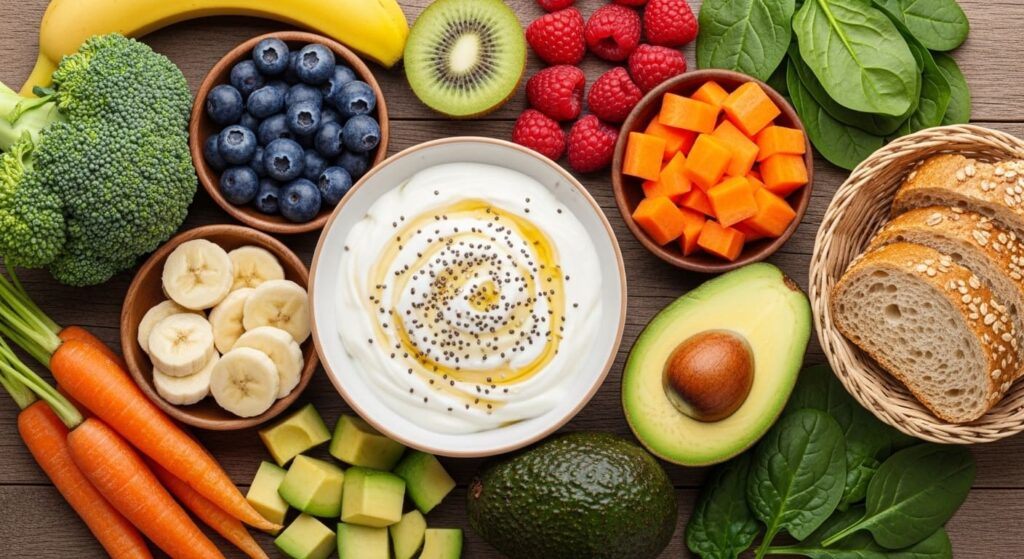
- High-Fiber Foods: Strategically combine insoluble fiber (mechanical stretch) with soluble fiber (food for bacteria). Sources like legumes, oats, and whole grains provide both, ensuring necessary bulk and SCFA production to stimulate muscle contraction.
- Fermented Foods: Integrate sources of live, active cultures like kefir, plain yogurt, and unpasteurized sauerkraut. These introduce beneficial probiotics that enhance the microbiome’s balance, leading to increased SCFA production and better overall gut function.
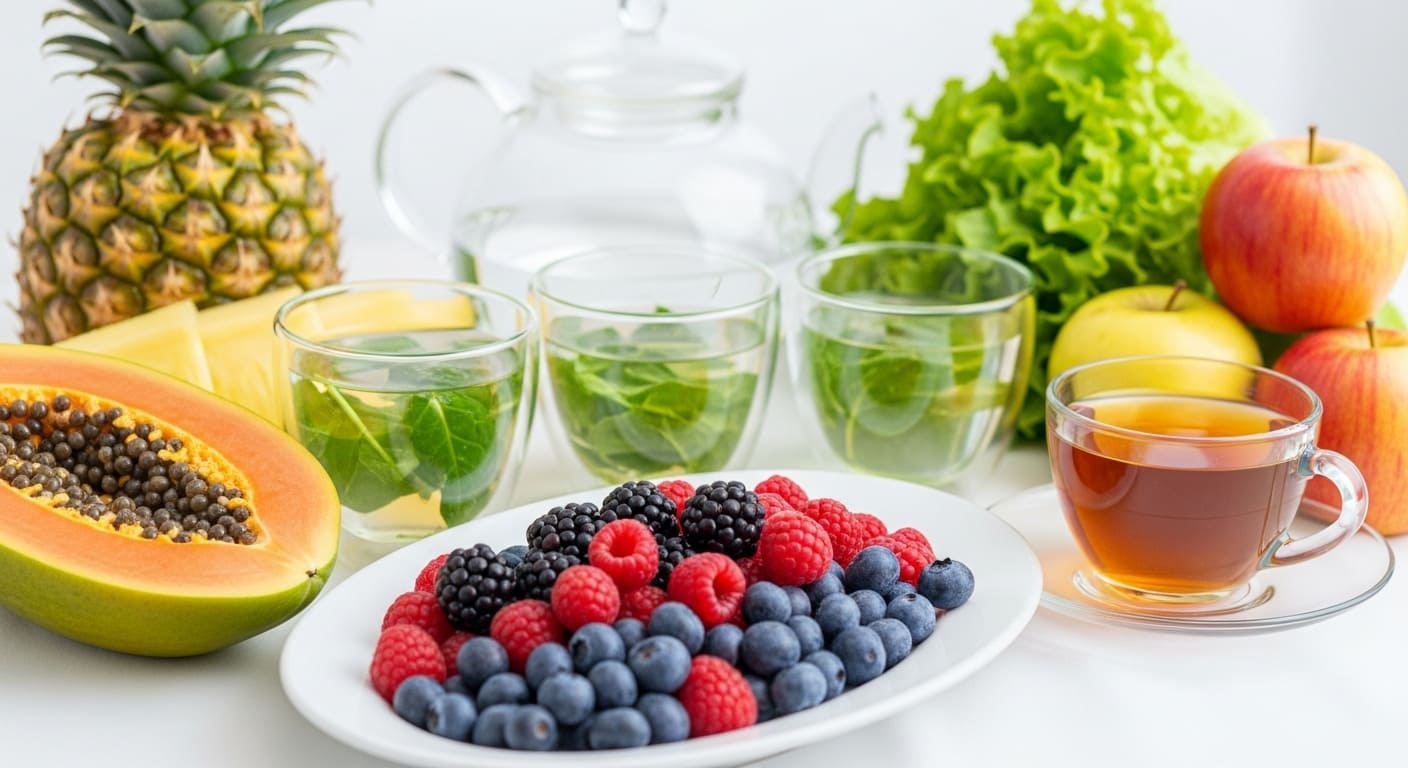
- Digestive Enzymes: Consume natural enzyme sources. Pineapple contains bromelain, and kiwi contains actinidin. These are proteases that help predigest complex proteins before they fully reach the stomach, reducing the required acid output and accelerating stomach emptying.
- Ginger and Peppermint: The gingerols in ginger act as a pro-kinetic, stimulating gastric smooth muscle contractions and accelerating movement. The menthol in peppermint acts as an antispasmodic, relaxing intestinal muscles to ease painful spasms and facilitate gas passage.
- Healthy Fats: Use moderate amounts of healthy unsaturated fats (avocado, olive oil). While fat slows initial gastric emptying, these fats stimulate the release of cholecystokinin (CCK), promoting bile and pancreatic enzyme release, which ensures efficient breakdown and prevents undigested fat from slowing subsequent digestive stages.
- Hydration Synergy with Fiber: Remember: fiber needs water to work. Increasing fiber intake without a corresponding increase in water intake is counterproductive, as the fiber will create a dehydrated, hard mass that severely slows transit.
b) Change Your Eating Habits to Digest Faster
These simple behavioral shifts target the crucial early stages of digestion, improving efficiency from the first bite.
- Chewing Thoroughly: Mastication is vital. Aim to chew until the food is practically liquid. This mechanical breakdown maximizes the food’s surface area for enzyme action and significantly reduces the mechanical churning burden on the stomach, thus accelerating stomach emptying.
- Smaller, More Frequent Meals: Large, high-calorie meals overwhelm the digestive system’s capacity. Eating smaller, balanced portions more frequently maintains a consistent, light flow, placing less instantaneous hormonal and physical burden on the GI tract.
- Avoiding Heavy Late-Night Meals: Digestion naturally slows down dramatically during sleep cycles. Eating a large meal within three hours of bedtime forces food to sit in the stomach when the GI system is least active, drastically slowing transit and impairing the crucial nocturnal cleansing (MMC) process (Source: Mayo Clinic).
- Optimal Meal Timing: Consume your largest, most complex meals earlier in the day when your digestive enzyme production is naturally at its peak and you are more likely to be moving afterward, maximizing metabolic efficiency.
- Postural Awareness While Eating: Always eat seated and upright. Slouching or lying down compresses the abdominal cavity, physically impeding the natural space required for the stomach and intestines to expand and contract efficiently.
c) Hydration Techniques That Accelerate Digestion
Water is the critical solvent and lubricant necessary for efficient gut motility.
- Why Water Speeds Bowel Transit: Water ensures that the fiber bulk remains soft, pliable, and easy for colonic muscles to push forward. It also aids the solubilization of nutrients for absorption. Dehydration leads directly to the primary physiological barrier: hard, resistant stool.
- When to Drink Water: Focus on consistent sipping between meals. While moderate water with food is fine, avoid consuming excessive volumes during a meal, which can dilute hydrochloric acid and potentially slow initial protein breakdown.
- How Much to Drink: Start your day with 500 mL of warm water. This gentle fluid volume activates the gastrocolic reflex, signaling the colon to wake up and often triggering a morning bowel movement. Target at least half your body weight in ounces per day.
d) Physical Habits That Boost Gut Motility
Movement is one of the most immediate and effective answers to how to speed up digestion.
- Walking After Meals: A gentle, 10–15 minute walk after eating uses gravity and mild abdominal muscle contractions to physically stimulate the intestines. This encourages contents to move and is a highly effective, immediate accelerator of peristalsis (Source: PubMed).
- Stretching and Gentle Core Movement: Incorporate gentle torso twists, spinal extensions, and side-bending stretches. These movements subtly compress and release the internal organs, encouraging contents to move forward along the colon’s path.
- Deep Breathing for Vagus Nerve Stimulation: Practice slow, deep diaphragmatic breathing. This intentionally activates the parasympathetic system, sending a powerful signal via the vagus nerve to calm the body, reduce sympathetic inhibition, and stimulate digestive function.
- Gentle Core Movement: Exercises that lightly engage the core (e.g., swimming, simple crunches) strengthen the abdominal musculature that assists in applying intra-abdominal pressure to aid in waste elimination.

e) What to Avoid If You Want Faster Digestion
To successfully improve digestion, you must eliminate the major dietary factors that actively slow the system down and promote slow digestion causes.
- Ultra-Processed Foods: These are chemically complex, fiber-poor, and high in inflammatory components. Their lack of natural structure and abundance of stabilizers stresses the gut lining and often results in delayed transit time.
- Excess Dairy (If Sensitive): For those with lactose intolerance, dairy leads to malabsorption. Undigested lactose draws water into the colon, causing gas and inflammation, which functionally slows overall gut motility.
- Fried Foods: These are high in difficult-to-digest fats, triggering the strongest hormonal responses (CCK) to slow stomach emptying and small intestine transit, demanding significant time for emulsification.
- Alcohol: Alcohol irritates the GI tract lining, disrupts the microbiome, and directly slows motility in the stomach and small intestine, significantly increasing overall transit time.
- High-Sugar Meals: Meals dominated by refined sugar can be rapidly dumped into the small intestine, overwhelming digestive capacity, feeding pathogenic bacteria, and leading to functional impairment.
- Overeating: Consuming too much food in one sitting overwhelms the digestive system’s finite capacity for acid and enzymes, leading to physical stagnation in the stomach and small intestine.
Morning and Night Routines to Improve Digestion
Establishing fixed, intentional routines is central to long-term boost digestive health by aligning your habits with your body’s natural circadian rhythms.
The Morning Motility Routine: Waking Up the Gut
- Hydration Strategy: Drink 500 mL of warm water before any solid food. This activates the gastrocolic reflex, signaling the colon to wake up and often triggering a morning bowel movement.
- Fiber-Forward Breakfast: Choose a high-fiber, easily digestible breakfast, such as oats, blended smoothies with flaxseed, or whole-grain toast. This provides the immediate bulk necessary to initiate morning peristalsis.
- Circadian Rhythm Support: Expose yourself to bright light immediately upon waking. This helps regulate the circadian rhythm, which in turn regulates the timing of digestive enzyme production and hormone release.
Nighttime Gut-Friendly Habits
- Early Dinner Principle: Finish your last substantial meal at least 3 hours before sleep. This ensures significant stomach emptying and transit occurs before your body shifts into full rest mode.
- Soothing Digestive Aid: Sip a cup of peppermint, fennel, or chamomile tea after dinner. These contain natural compounds that relax the intestinal muscles.
- Vagal Toning: Practice 5–10 minutes of slow, deep diaphragmatic breathing before sleep. This promotes the optimal “rest and digest” state necessary for nocturnal gut repair and cleansing.
Fast-Acting Tips for Immediate Relief
When you need an immediate fix for temporary slow digestion causes or gas-related bloating, these rapid-action tips can provide quick relief.
- Herbal Teas: Peppermint tea acts as a smooth muscle relaxant, easing spasms. Ginger tea stimulates stomach contractions, accelerating contents.
- Warm Water: Sipping warm water can gently stimulate contractions in the smooth muscle lining the stomach, encouraging flow without shocking the system.
- Light Movement: If you feel sluggish or bloated, perform gentle standing twists, hip rotations, or a slow walk to use gravity and movement to encourage contents to move.
- Abdominal Massage: Lie down and gently massage your abdomen in a slow, clockwise, circular direction, tracing the natural path of the large intestine to physically assist in pushing trapped gas and waste forward.
- Quick-Digesting Foods: For temporary relief, opt for simple, easily digestible, low-residue foods like clear broths or applesauce.
Signs Your Digestion Is Improving
Successfully implementing strategies for how to speed up digestion will lead to noticeable, measurable, positive changes in your body and energy levels.
- Reduced Bloating: You will notice significantly less abdominal distension, indicating less gas buildup and faster transit of contents.
- More Regular Bowel Movements: Stools will be soft, well-formed, and easy to pass, occurring reliably at least once per day. This is the clearest sign of optimal gut motility.
- Faster Stomach Emptying: The feeling of post-meal heaviness will decrease, and you’ll feel ready to move sooner after eating, indicating efficient gastric clearance.
- Improved Energy Levels: Since your body is spending less metabolic energy on laboring to push sluggish food through the system, and more nutrients are being absorbed efficiently, you’ll experience a boost in sustained energy and reduced post-meal fatigue.
When Slow Digestion Might Be a Medical Issue
While the majority of slow digestion causes are lifestyle-related and responsive to the strategies in this guide, chronic, persistent, or worsening symptoms always warrant professional medical attention.
- Red Flags: Consult a doctor immediately if you experience unexplained, unintentional, significant weight loss; persistent vomiting or difficulty swallowing (dysphagia); blood in your stool (visible red or black, tarry appearance); or severe, debilitating abdominal pain that wakes you from sleep.
- Underlying Conditions: Chronic, non-responsive digestive sluggishness could be a symptom of more complex conditions that require diagnosis. Examples include Gastroparesis (delayed stomach emptying not caused by a blockage, often associated with diabetes) or inflammatory conditions like IBS (Irritable Bowel Syndrome).
- When to Seek Professional Evaluation: If you follow the advanced digestion tips in this guide for several weeks with no improvement, or if symptoms worsen, seek guidance from a qualified gastroenterologist for a proper diagnosis and treatment plan (Source: American College of Gastroenterology).
Final Practical Checklist
This checklist summarizes the core daily gut-friendly habits that are proven to help speed up digestion. Implement them consistently for lasting results.
| Habit | Focus |
|---|---|
| Chew Mindfully | 20+ times per bite to pre-digest food. |
| Post-Meal Walk | Mandatory 10-15 minute walk after meals to utilize gravity. |
| Vagal Toning | 5 minutes of slow, deep breathing daily to reduce stress inhibition. |
| Hydration | Sip water between meals, and start the day with 500 mL warm water. |
| Fiber Focus | Combine soluble and insoluble fiber in every meal. |
| Early Dinner | Stop eating 3 hours before sleep to optimize nocturnal cleansing. |
| Enzyme Boost | Regularly consume kiwi, pineapple, or fermented foods. |
| Avoid Inhibitors | Strictly limit fried foods, alcohol, and high-sugar meals. |
Strong and Memorable Conclusion
Mastering how to speed up digestion is not about searching for a single magic pill or a quick fix supplement. It is about understanding and respecting the delicate, interconnected system of your gut, your nervous system, and your muscles.
The most profound and lasting improvements in boost digestive health come from small, consistent, daily choices: chewing food intentionally, prioritizing post-meal movement, and consuming whole foods that nourish your microbiome. By consistently adopting these gut-friendly habits, you transform your digestive process from a sluggish burden into an efficient, energy-producing engine.
Start today with just two habits from this checklist—perhaps the Post-Meal Walk and the Vagal Toning—to feel results in 24 hours. Small, sustainable changes produce long-term improvements in digestive health, and your journey starts with today’s choices.
Credibility and Sources
The information provided in this guide is based on established scientific understanding of human physiology and digestive health. It aligns with recommendations from major health organizations and peer-reviewed research.
Key References:
- American College of Gastroenterology (ACG): Guidance on chronic GI symptoms
- Cleveland Clinic: Insights on vagus nerve function and breathing techniques
- Mayo Clinic: Recommendations on meal timing and gastric emptying
- National Institutes of Health (NIH): Physiological mechanisms of hormonal control over gastric emptying
- PubMed: Studies on the effects of physical activity on intestinal transit
Leave a Reply