

Introduction: The Essential Power of Hydration
Water is fundamentally more than a drink; it is the master solvent of life itself.
From maintaining the integrity of our cellular structure to lubricating the complex machinery of the brain, a state of optimal water balance is the foundation of health and performance.
Yet, in the fast pace of modern life, a sophisticated understanding of how to stay hydrated consistently and adequately is often lost.
As health professionals, we frequently observe in the clinical setting that even mild, subclinical dehydration—a state so subtle you might not register it as true thirst—can significantly compromise mood, dampen concentration, reduce sustained energy, and impair the body’s critical ability to manage temperature.
This article is designed to be your comprehensive, evidence-based guide.
We aim to move beyond simplified health advice, diving deep into the subtle physiological complexities of fluid balance and the objective metrics required for monitoring your status.
You will also learn precise protocols for various life scenarios and, crucially, how to clearly distinguish scientific fact from prevalent health myths.
Our goal is to give you the knowledge and actionable tools to genuinely master the art of effective hydration—allowing you to unlock your best physical and mental state.
Important Safety and Medical Notice
The protocols and information within this guide are intended for educational purposes only and must never be considered a substitute for professional medical advice, diagnosis, or treatment. For individuals managing pre-existing medical conditions, such as congestive heart failure, severe kidney disease, or specific medication regimens (like diuretics), your fluid and electrolyte needs are highly specialized. It is mandatory to consult with a qualified healthcare professional before implementing any significant changes to your personal hydration strategy.
Who This Guide Will Serve
This resource is essential for the devoted athlete, the busy executive seeking a cognitive edge, the conscientious parent looking for reliable health protocols, and anyone committed to optimizing their long-term vitality through evidence-based practice.
The Core Physiology: Why Water is Non-Negotiable
The human body is an elaborate system, characterized by its approximately 60% water composition. This high percentage is not accidental; water is structurally and functionally vital for survival.
The Multifaceted Role of Water in Systemic Function
Water’s involvement spans every biological process:
- Nutrient Delivery: It acts as the indispensable medium (the plasma in blood) that efficiently transports essential micronutrients—including vitamins, minerals, and glucose—to fuel every working cell.
- Waste and Detoxification: Through the formation of sweat and urine, water serves as the primary agent for the dissolution and excretion of metabolic waste products and toxins, such as urea and ammonia.
- Thermoregulation (Body Temperature Control): Sweating is the body’s chief mechanism for rejecting excess heat. The energy absorbed during the evaporation of sweat (a process relying heavily on water) provides a powerful and immediate cooling effect on the body’s core.
- Lubrication and Structural Support: Water is a key component of synovial fluid in joints, the structure of the eyeball, and saliva. It provides vital cushioning, notably protecting the brain, spinal cord, and the fetus during pregnancy.
Electrolytes and the Quest for Homeostasis
True hydration is a concept far more nuanced than simple water consumption; it is fundamentally intertwined with the electrolyte balance. Electrolytes—charged mineral ions like sodium, potassium, calcium, and magnesium—are dissolved in body fluids and are responsible for conducting the electrical signals that govern nerve transmission, muscle contraction (including the heartbeat), and the critical movement of fluid across cell membranes.
Our physiology is constantly engaged in maintaining homeostasis, a state of stable internal equilibrium. Clinical observations and published data show that many individuals focus only on water intake, ignoring the crucial electrolyte context. For instance, drinking excessive amounts of plain water rapidly can dangerously dilute these essential minerals, potentially leading to hyponatremia. Conversely, severe water loss without replacement (dehydration) causes a dangerous concentration of electrolytes. Therefore, truly knowing how to stay hydrated requires strategically maintaining this delicate, dynamic ratio of water volume to mineral concentration.
Key Takeaway: Optimal hydration is the dynamic balance between water and electrolytes, a necessity for nutrient transport, effective temperature regulation, and all cellular and neurological signaling.
Recognizing the Red Flags: The Warning Signs of Dehydration
A proactive strategy for how to stay hydrated must start with the rapid ability to identify the earliest signals of fluid deficit. Since dehydration progresses through stages, the goal is always immediate intervention at the initial stage.
Mild Dehydration: The Subtle Symptoms We Miss
We frequently misattribute the subtle onset of mild dehydration, dismissing it as simple work fatigue, the “afternoon slump,” or just hunger.
| Common Symptom | Physiological Explanation (Clinical Insight) |
| Thirst | This is the body’s alarm system. The hypothalamus registers an increase in plasma osmolarity (the concentration of the blood) and initiates the conscious drive to drink. |
| Fatigue/Lethargy | A reduced overall blood volume forces the heart to pump harder and faster to circulate the diminished fluid supply, leading to systemic strain and feelings of tiredness. |
| Headache | Decreased fluid volume within the cranial cavity can cause brain tissues to slightly retract from the skull, often manifesting as a dull, traction-type headache. |
| Dry Mouth/Lips | The body conserves fluid by prioritizing vital organs, leading to a noticeable reduction in non-essential fluid outputs like saliva. |
A Common Occurrence: Consider the busy professional who gets absorbed in a complex task and misses their mid-morning water break. By 11:30 AM, they feel a subtle pressure behind their eyes and instinctively reach for a stimulant like coffee. Often, that headache is a signal of mild dehydration, not a need for more caffeine.
Moderate and Severe Dehydration
As the fluid loss continues to escalate, the symptoms become more serious and require swift action:
- Dark Urine: The kidneys maximize water reabsorption to conserve volume, resulting in highly concentrated waste products and a distinct amber or dark yellow color.
- Dizziness/Lightheadedness: Reduced circulating blood volume causes an effective drop in blood pressure, most noticeable upon standing (orthostatic hypotension).
- Muscle Cramps: Frequently linked to a significant loss of key electrolytes (sodium and potassium) through heavy, prolonged sweating.
Severe Dehydration is a true medical emergency, presenting with symptoms like profound confusion, rapid and shallow breathing, collapse, and little-to-no urine production. Medical assistance is mandatory.
Practical Protocols: Determining Your Daily Fluid Needs
The critical question for lifelong health is not simply if you should drink, but precisely how much and when. It’s important to understand that your daily hydration need is highly individualized; the old “eight glasses” rule is inadequate for personalized health.
Calculating Your Unique Hydration Needs
Your true requirement is influenced by your body weight, local environmental conditions, exercise habits, and overall health status.
The Simple Weight-Based Formula (Baseline Guideline):
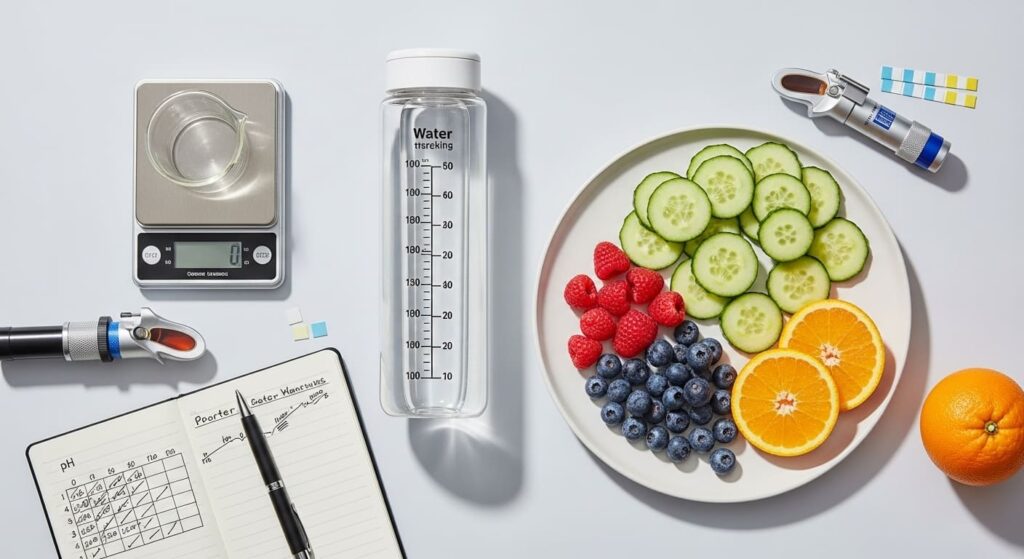
- Average Adult: Aim to consume approximately 30 to 35 mL of total fluid per kilogram of body weight per day.
- Example Calculation: A person weighing 70 kg should target a baseline fluid intake of about 70 kg times 33 mL/kg = 2,310 mL or 2.3 Liters of fluid daily.
A Key Nuance: Established nutritional recommendations, championed by institutions like the Mayo Clinic, confirm that roughly 20% of your daily fluid intake is naturally derived from the water content of solid foods (fruits, vegetables, etc.). This means the remaining 80% is what you need to consume through beverages.
Factors That Mandate Increased Hydration
Learning how to stay hydrated effectively requires dynamically adjusting your baseline needs based on external and physiological stressors:
- Intense or Prolonged Exercise: You must replace every drop lost via sweat. In practice, many athletes use pre- and post-exercise weighing: for every 1 kg (2.2 lbs) of body weight lost during activity, approximately 1 liter of fluid replacement is needed.
- Hot or Humid Climates: An elevated core temperature necessitates a significantly higher sweat rate, which in turn demands an increased daily intake, often 500 to 1000 mL above your baseline.
- Acute Illness (Fever, Vomiting, Diarrhea): Requires aggressive replacement of both water and lost electrolytes, typically using specifically formulated oral rehydration solutions (ORS).
- Pregnancy and Breastfeeding: Pregnant women require an additional approx 300 mL/day, while breastfeeding women require a substantial additional approx 700 to 1000 mL/day to meet the high fluid demands of milk production.
Hydration Beyond the Glass: The Role of Food and Drinks
While pure water remains the foundation, strategic consumption of other drinks and, importantly, foods significantly contributes to maintaining optimal fluid and electrolyte equilibrium.
Hydrating Foods: Nature’s Fluid Packs
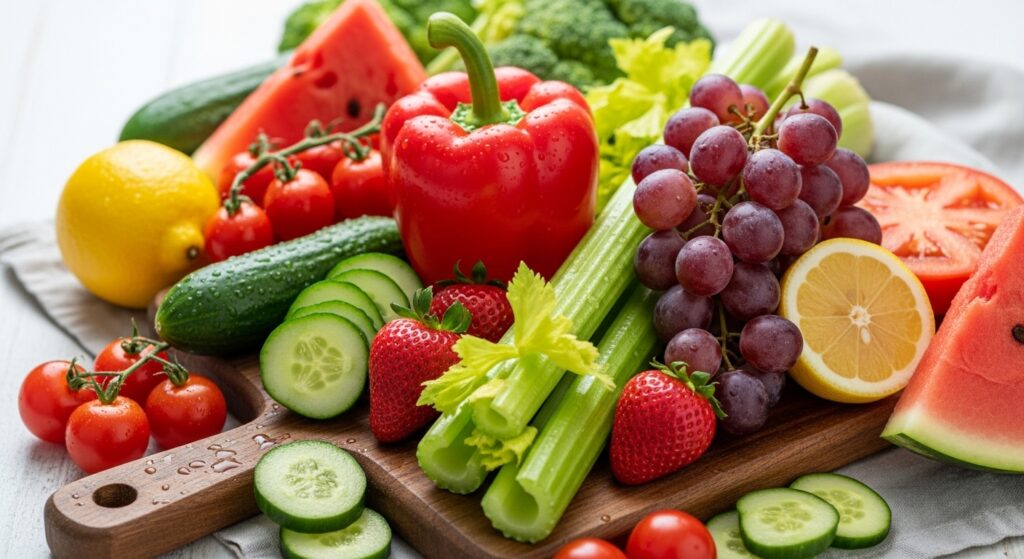
Many fruits and vegetables boast remarkably high water content (often surpassing 85%) and simultaneously deliver essential vitamins and minerals. They function as a highly bioavailable source of fluid and mild electrolyte support.
| Food | Approx. Water Content | Key Electrolytes |
| Cucumber | 96% | Potassium |
| Lettuce/Spinach | 95% | Potassium, Magnesium |
| Watermelon | 92% | Potassium, Citrulline |
| Strawberries | 91% | Potassium, Magnesium |
| Oranges | 88% | Potassium, Calcium |
Drinks That Assist vs. Drinks That Detract
- Drinks That Assist: Filtered water, herbal (caffeine-free) teas, coconut water (an excellent natural source of potassium), and diluted, natural fruit/vegetable juices (consumed in moderation due to sugar content).
- Drinks That Hinder (The Diuretics):
- Caffeine: Beverages like coffee and strong teas do exert a mild diuretic effect, which slightly increases the urgency and frequency of urination. However, scientific consensus, based on studies of regular consumers, indicates that moderate consumption (e.g., 2-3 standard cups daily) still contributes positively to total daily fluid intake, but higher doses can accelerate loss.
- Alcohol: Alcohol is a potent antidiuretic. It actively suppresses the release of Antidiuretic Hormone (ADH) from the pituitary gland. This suppression leads to significantly increased urine output and is the primary physiological cause of the severe dehydration symptoms commonly associated with a hangover.
Metrics and Monitoring: How to Objectively Track Your Progress
Since the sensation of thirst often only registers when the body is already 1 to 2% dehydrated, relying solely on this subjective signal is a reactive, not a proactive, strategy. To truly ensure you know how to stay hydrated, we need reliable, objective metrics.
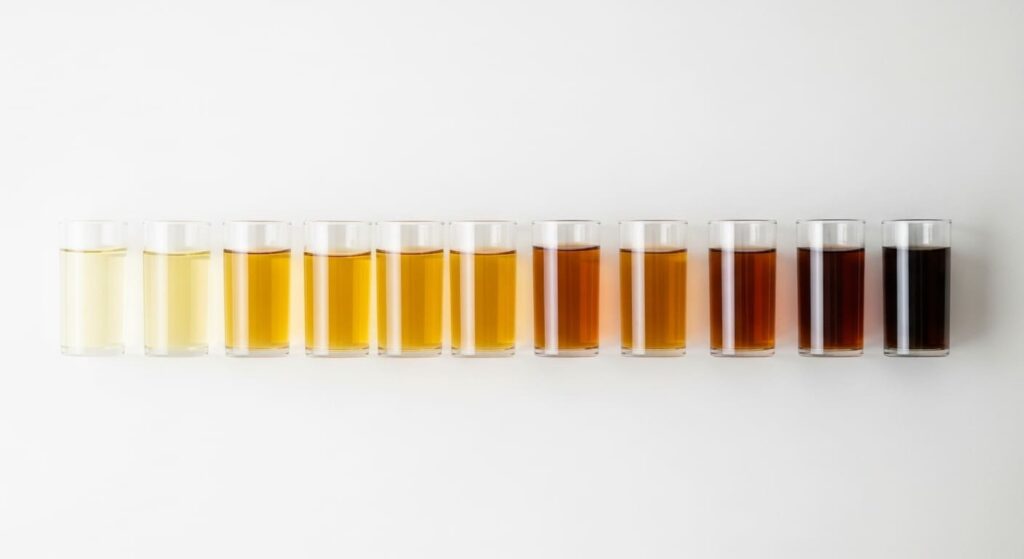
The Urine Color Chart: The Essential Daily Metric
This widely recognized visual tool, used extensively in military and sports medicine, is arguably your fastest, most actionable measure of systemic hydration status.
| Color | Interpretation | Action Required |
| 1-3 (Pale Straw to Light Yellow) | Ideal Hydration. | Maintain current, consistent fluid intake schedule. |
| 4-5 (Yellow to Dark Yellow) | Mild Dehydration. | Increase your immediate fluid intake by 500 mL to 1 Liter over the next two hours. |
| 6-8 (Brownish Yellow to Brown) | Significant Dehydration. | Substantially increase fluid intake and monitor symptoms closely. If accompanied by severe dizziness or confusion, seek medical advice. |
A Practical Nuance: It is important to remember that ingesting high-dose B vitamins (which create a fluorescent yellow urine) or taking certain medications can temporarily obscure the color, making the chart unreliable for a few hours. Always observe the color against your known baseline.
Skin Turgor Test (The Pinch Test)
This is a rapid physical assessment of skin elasticity, which correlates directly with the fluid volume in the interstitial spaces (the areas between cells).
- Gently pinch the skin on the back of your hand or over your forearm.
- In a properly hydrated person, the skin snaps immediately back to its flat position.
- In a dehydrated person, the skin remains elevated for a brief moment, forming a temporary peak. This demonstrates poor turgor (elasticity).
Specific Protocols for Life’s Demands
Optimal hydration requirements are not static; they change dynamically based on your environment and activity. How to stay hydrated requires a strategic and flexible approach.
Hydration for Exercise and High Heat Environments
During periods of intense or prolonged physical exertion, fluid and electrolyte loss via sweat can be rapid and severe, directly undermining performance and safety.
- Pre-Exercise: Consume 400 to 600 mL of fluid 2-3 hours prior to starting activity.
- During Exercise (Intra-activity): Aim for 200 to 300 mL every 15-20 minutes. For activities extending beyond 60 minutes, the goal shifts: switch to a sports beverage containing sodium (300 to 500 mg per liter) and carbohydrates (6 to 8%) to maintain glucose delivery and electrolyte balance.
- Post-Exercise: The recovery principle is over-replacement. Aim to consume 150% of the weight lost during the activity within the first 2-4 hours of recovery.
Structured approaches like these, advocated by bodies such as the American College of Sports Medicine (ACSM), are essential for minimizing performance drop-offs and mitigating the significant risk of heat-related illness.
Hydration in Cold Weather and High Altitude
Many individuals, including athletes, consistently overlook the necessity of proper hydration in cold environments.
- Cold Weather: Breathing cold, dry air dramatically increases respiratory water loss (which is why you see your breath). Furthermore, the body’s physiological perception of thirst is often significantly blunted when exposed to cold. It is critical to enforce scheduled, proactive fluid intake regardless of thirst.
- High Altitude: At elevated altitudes, the air is typically drier, and the body hyperventilates to compensate for lower oxygen levels, leading to increased respiratory fluid loss. The body also undergoes altitude diuresis, producing more urine. For these reasons, you must aggressively increase your fluid intake upon ascent.
Key Takeaway: Adjust your fluid intake proactively based on ambient temperature, altitude, and activity intensity. Strategic electrolyte replacement becomes a non-negotiable factor for sustained activity exceeding one hour.
Myths vs. Facts: Establishing the Scientific Truth
In the modern information ecosystem, it is easy to internalize inaccurate or oversimplified guidance about how to stay hydrated. We rely on scientific rigor to separate established fact from popular misconception.
Common Misconceptions vs. Scientific Reality
| Myth | Scientific Fact (Evidence-Based Correction) | Explanation and Context |
| “You should only drink when you are thirsty.” | FALSE. Thirst is a sign of existing dehydration (often a 1 to 2% loss). Research from institutions like Harvard suggests that scheduled, proactive drinking results in demonstrably better cognitive function and sustained physical performance. | |
| “Caffeinated beverages never count toward fluid intake.” | FALSE. While a mild diuretic effect exists, studies on habitual consumers show that moderate daily consumption of caffeinated drinks still contributes positively to total daily fluid balance. | |
| “The more water you drink, the healthier you are.” | FALSE. Excessive, non-strategic intake (especially without electrolyte replacement) can lead to hyponatremia, a dangerous, potentially fatal dilution of blood sodium. Always adhere to personalized, evidence-based guidelines. | |
| “Sports drinks are mandatory for every workout.” | FALSE. For workouts lasting less than 60 minutes and without excessive sweating, plain water is superior and sufficient. Sports drinks are reserved for longer, intense activity to replace lost fuel and electrolytes. | |
| “Water should always be consumed ice cold.” | FALSE. While cold water provides sensory relief, some physiological data suggests that slightly cool or room-temperature water is absorbed marginally faster as the body doesn’t need to expend energy to warm it up before digestion. |
Practical Habits: A Simple Plan for Daily Success
For the general public, achieving optimal hydration isn’t complicated; it requires establishing simple, consistent, and repeatable habits. The process of learning how to stay hydrated is more accessible than many people imagine.
Checklist for Daily Hydration Success
- Start the Day Immediately: Consume 250 to 500 mL of water right upon waking. This quickly reverses the mild dehydration accrued during the overnight fasting period.
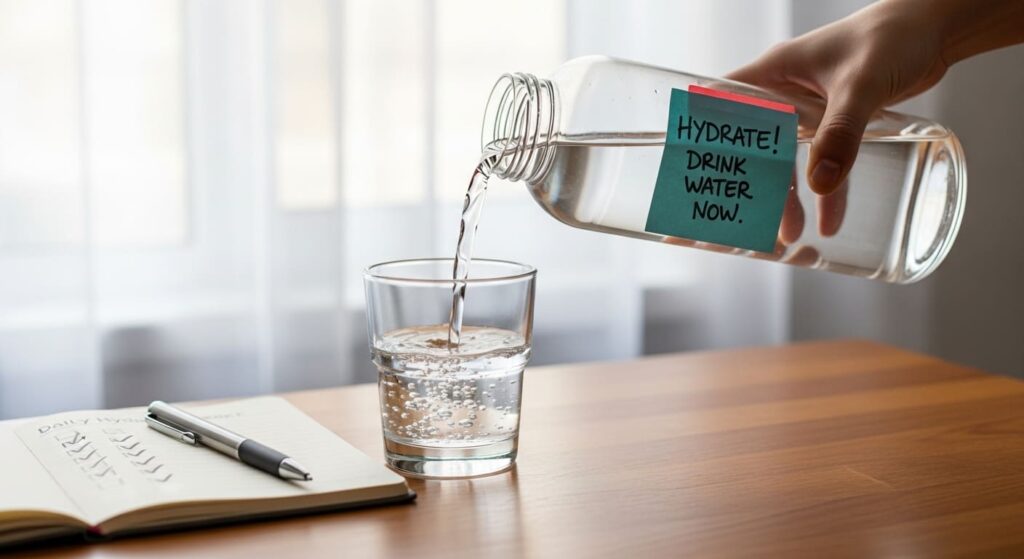
- Leverage Visual Cues: Use phone reminders, or the simple but effective strategy of placing a full, pre-measured bottle directly in your line of sight every hour to cue drinking.
- Enhance Palatability: Infuse water with slices of natural flavors like lemon, cucumber, ginger, or mint. This significantly increases appeal and intake without adding undesirable sugar or artificial ingredients.
- The 20-20 Meal Rule: Make a habit of drinking water 20 minutes before and 20 minutes after each major meal. This paces your intake naturally throughout the day and can aid digestion.
- Prioritize Water-Rich Foods: Ensure that high-water foods (fruits and vegetables) form a significant, visible component of every meal you consume.
Risks of Chronic Subclinical Dehydration
Chronic, or subtle, dehydration—the state of consistently operating just below optimal fluid levels—carries long-term health risks that extend far beyond simple acute discomfort.
Long-Term Effects and Clinical Concerns
Based on reports and extensive research from reputable sources like Harvard Health, prolonged mild dehydration has been scientifically linked to increased prevalence of:
- Kidney Stones: When you don’t drink enough water, your urine becomes more concentrated, which makes stones more likely to form.
- Urinary Tract Infections (UTIs): Drinking enough water helps your body naturally flush out bacteria and reduces the chance of irritation.
- Constipation: If you’re not hydrated, your body absorbs more water from your stool, making it harder and more difficult to pass.
- Thinking and Focus: Even a small drop in hydration can make it harder to concentrate, solve problems, and stay mentally sharp.
Hydration and Your Brain Health
The brain, composed of approximately 75% water, is exquisitely sensitive to fluctuations in fluid status. Your approach to how to stay hydrated is a direct determinant of your mental clarity and emotional resilience.
Cognitive Performance and Mood Regulation
Beyond avoiding these issues, staying well-hydrated also brings several daily benefits for your mind and mood.
This long-term impact sets the stage for understanding how hydration directly affects cognitive function.
Studies have consistently demonstrated a positive correlation between optimal hydration and:
- Improved Focus: Staying hydrated helps you stay alert and maintain mental energy throughout the day.
- Lower Stress: Drinking enough water supports your body during stressful moments and may help you feel calmer.
- Better Memory: Proper hydration helps you remember things more easily and think more clearly.
When to Use Electrolytes Strategically
While a typical balanced diet generally covers baseline electrolyte needs, specific scenarios require targeted, strategic replacement. Electrolyte solutions are crucial after significant losses, not for daily light activity.
| Situation | Electrolyte Need | Recommended Action |
| Mild Daily Activity | Low | Water paired with a balanced, high-water diet. |
| Intense Exercise (> 60 min) | High | Use a sports drink or commercial electrolyte solution containing sodium, potassium, and magnesium. |
| Heat Exhaustion/Stroke | Very High | Urgent oral rehydration solution (WHO formula is internationally recognized as the standard). |
| Severe Vomiting/Diarrhea | High | Use Oral Rehydration Salts (ORS) to precisely replace lost sodium, potassium, and chloride. |
Conclusion: Unlock Your Best Performance Today
Mastering the science of how to stay hydrated is one of the most accessible, yet profoundly impactful, commitments you can make to your overall health and well-being. It should be understood not as the obligation to consume arbitrary gallons of fluid, but as the daily, proactive commitment to respecting your body’s precise homeostatic needs. This means consistently monitoring an objective metric like the Urine Color Chart and strategically adjusting your intake based on your unique environment and activity levels.
True hydration is a practice, not a reaction. By thoughtfully applying the scientific protocols and human-centered, practical habits detailed in this comprehensive guide, you gain direct control over your energy levels, cognitive focus, and long-term physiological resilience. A well-hydrated body is, quite simply, a high-performing body.
Practical Daily Application
- 7:00 AM: Start with 500 mL of water immediately upon waking.
- 10:00 AM: Check urine color (aim for 1-3).
- 12:30 PM: Drink water with lunch and ensure a high-water food component (e.g., salad, fruit).
- 3:00 PM: Consciously consume 250 mL; this is a common time for cognitive slump.
- 7:30 PM: Check post-activity or late-day urine color if you exercised. Replace any deficits.
In the end, hydration plays a simple but powerful role in your energy, mood, and mental clarity. Staying well-hydrated not only boosts your daytime performance but also supports many natural remedies for deep sleep by stabilizing temperature, hormones, and nighttime recovery.
Leave a Reply