
We all desire that healthy, luminous complexion that natural radiance that makes us feel confident and vibrant. But achieving truly beautiful, glowing skin isn’t about chasing the latest expensive serum; it’s a holistic journey. How to have a glowing skin starts from within, reflecting your overall health, diet, and lifestyle, not just what you apply topically. Your skin, the largest organ in your body, acts as a mirror, revealing the efficiency of your digestion, the quality of your sleep, and your levels of stress.
This comprehensive guide will show you how to unlock your skin’s natural radiance by focusing on four key pillars: Inner Nutrition (Diet), Hydration & Lifestyle, Consistent Skincare Routine, and Stress Management. We will dive deep into the specific vitamins and nutrients that feed your skin cells, the critical role of sleep and exercise in cell repair, and the simple, daily rituals that protect your dermal barrier. Forget quick fixes. We are building a sustainable strategy for a vibrant complexion that lasts. By the end of this guide, you will have a clear, actionable roadmap to transform your skin from dull and tired to bright, supple, and truly glowing. Let’s begin the journey to your most radiant self.
Inner Radiance: Nutrition and Diet for Luminous Skin
The food choices you make are arguably the most powerful skincare tool you possess. What you consume provides the raw materials the vitamins, antioxidants, and healthy fats that your skin needs to repair itself, protect against damage, and maintain a bright, even tone. Focusing on inner nutrition is the foundational step in understanding how to have a glowing skin.
The Essential Role of Antioxidants and Vitamins
Antioxidants are your skin’s defense system. They combat free radicals caused by pollution, UV radiation, and stress, which are major culprits in premature aging and dullness. By neutralizing these damaging molecules, antioxidants ensure your skin remains firm, elastic, and luminous.
Specifically, aim to maximize these skin-loving nutrients:
- Vitamin C: Crucial for collagen production, which gives skin its structure and plumpness. It also brightens the skin tone and reduces dark spots.
- Sources: Citrus fruits, bell peppers, strawberries, and broccoli.
- Vitamin A (Retinoids): Helps with skin cell turnover, reducing dead skin cells that cause dullness.
- Sources: Carrots, sweet potatoes, spinach, and eggs.
- Vitamin E: A fat-soluble antioxidant that works synergistically with Vitamin C to protect cell membranes.
- Sources: Nuts, seeds, and avocado.
Healthy Fats: The Key to Suppleness and Glow
Your skin barrier is composed of lipids (fats), which lock in moisture and keep irritants out. A deficiency in healthy fats, particularly Omega-3 and Omega-6 fatty acids, can lead to dryness, flakiness, and a loss of natural glow. Omega-3s are especially important because of their anti-inflammatory properties, helping to calm redness and irritation.
To enhance skin suppleness and glow, consistently include:
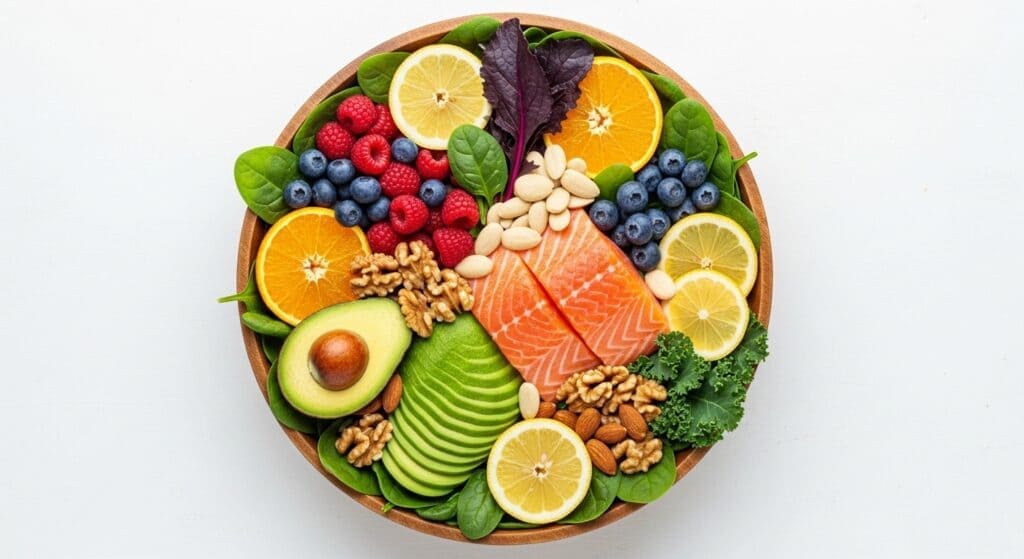
- Omega-3 Fatty Acids: Found in fatty fish like salmon, mackerel, and sardines. Vegetarians can opt for flaxseeds, chia seeds, and walnuts.
- Monounsaturated Fats: Excellent for overall skin health and moisture. Found in avocados, olive oil, and almonds.
The Gut-Skin Axis: Connecting Digestion to Radiance
Your gut health directly impacts your skin’s appearance a concept known as the gut-skin axis. An imbalance in the gut microbiome (dysbiosis) can lead to systemic inflammation, which often manifests as acne, redness, eczema, or a generally lackluster complexion. Supporting your digestive health is a non-negotiable step for achieving a clear and vibrant glow.
Focus on these elements to improve both your gut and your skin:
- Fiber-Rich Foods: Feed beneficial gut bacteria.
- Sources: Whole grains, beans, and lentils.
- Fermented Foods: Introduce beneficial probiotics.
- Sources: Yogurt, kefir, kombucha, and sauerkraut.
- Hydration: Supports toxin elimination and nutrient absorption (discussed in detail below).
Tip: Try drinking a glass of water with lemon slices first thing in the morning to kickstart hydration and digestive enzymes.
Lifestyle: The Underrated Secrets to Naturally Glowing Skin
Beyond diet, your daily habits surrounding sleep, stress, and activity are critical determinants of your skin’s radiance. These lifestyle factors control hormones, inflammation, and cellular regeneration all vital processes for maintaining a fresh, healthy appearance. Mastering these areas is key to knowing how to have a glowing skin consistently.
The Power of Sleep for Skin Repair and Regeneration
Sleep is not just rest; it’s the body’s dedicated time for repair. During deep sleep, the skin’s blood flow increases, and the body produces growth hormones that aid in collagen repair and cellular turnover. This process actively combats the damage accumulated during the day. Insufficient sleep (less than 7 hours) leads to increased cortisol (a stress hormone), which can trigger inflammation and cause breakouts, dullness, and dark circles.
To ensure your skin gets its nighttime rejuvenation:
- Aim for 7–9 hours nightly: Consistency is more important than occasional long sleeps.
- Elevate your head slightly: This can help reduce fluid retention and puffiness around the eyes.
- Clean linens: Ensure your pillowcases are clean to prevent the transfer of bacteria and dirt.

Hydration: The Internal Moisturizer
Water is the simplest, most fundamental ingredient for plump, youthful skin. Dehydrated skin appears dry, tight, and emphasizes fine lines, losing its natural luminosity. Adequate water intake ensures all skin functions from toxin removal to nutrient transport operate optimally.
- Flush out toxins: Water supports the kidneys and liver in removing waste products that can otherwise show up as dullness or breakouts on the skin.
- Maintain elasticity: Proper hydration keeps skin cells plump, giving the complexion a dewy, healthy glow.
Tip: Carry a water bottle with you and set hydration goals. If you dislike plain water, add slices of cucumber, mint, or lemon for a refreshing twist.
Exercise: Boosting Blood Flow and Detoxification
Regular physical activity is excellent for achieving that coveted post-workout glow. This effect is a result of improved circulation. Exercise increases blood flow, which efficiently delivers oxygen and essential nutrients to the skin cells while carrying away cellular waste and free radicals.
- Natural Glow: Increased circulation gives the skin a temporary rosy flush and contributes to long-term radiance.
- Stress Relief: Exercise is a powerful stress reliever, helping to lower cortisol levels and minimize stress-induced skin issues like acne or flare-ups.

Stress Management: The Calming Effect on Your Complexion
Chronic stress is one of the skin’s worst enemies. When you are stressed, your body releases cortisol, which breaks down collagen, causes inflammation, and impairs the skin’s barrier function. This often leads to dullness, accelerated aging, and aggravated conditions like rosacea or eczema. To truly master how to have a glowing skin, you must master stress control.
Simple, daily practices can make a huge difference:
- Meditation or Mindfulness: Even 5–10 minutes a day can significantly lower cortisol levels.
- Deep Breathing: A quick technique to activate the parasympathetic “rest and digest” nervous system.
- Hobbies and Relaxation: Dedicate time to activities you enjoy to naturally de-stress.
The External Shield: A Smart Skincare Routine for Radiance
While inner health provides the foundation, a consistent and smart skincare routine acts as the external shield, protecting your skin from environmental damage and ensuring topical ingredients work effectively to enhance your glow. This is where we bridge internal health with external maintenance.
Building Your Core Skincare Routine
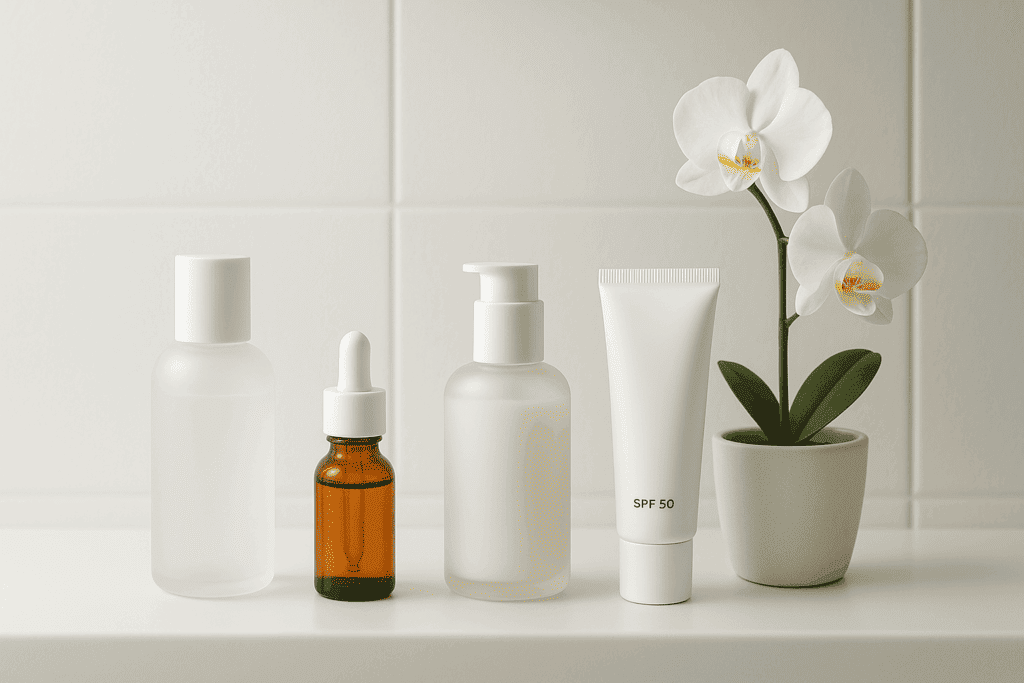
A complex routine isn’t necessary, but consistency is key. Your regimen should focus on cleansing, treating, moisturizing, and most importantly, protecting.
1. Cleansing: The Essential Prep
Effective cleansing removes dirt, oil, makeup, and pollutants without stripping the skin’s natural oils (the barrier). Use a gentle, pH-balanced cleanser twice daily. Avoid harsh soaps that can compromise the acid mantle, leading to irritation and dullness.
2. Treating (Serums): Targeted Glow Boosters
Serums are concentrated doses of active ingredients used to target specific concerns. For glowing skin, focus on these two types:
- Vitamin C Serum (AM): An essential morning step. It brightens the skin, fades hyperpigmentation, and provides superior antioxidant protection against environmental damage when used under sunscreen.
- Retinoids (PM): Derivatives of Vitamin A that increase cell turnover, minimize the appearance of pores, smooth texture, and significantly boost collagen production over time.
3. Moisturizing: Barrier Support
A moisturizer locks in hydration and supports the skin’s lipid barrier. Even oily skin needs moisturizer. Look for ingredients like ceramides, hyaluronic acid, and glycerin to draw in and retain moisture, ensuring your skin remains plump and dewy.
4. Sunscreen (AM): Non-Negotiable Protection
Sun damage (photoaging) is the number one cause of dullness, uneven tone, wrinkles, and loss of collagen. Sunscreen is the most powerful anti-aging and glow-preserving product you can use.
- Use Broad Spectrum SPF 30 or higher, every day, rain or shine.
- Reapply: Especially if you are outdoors or sweating.
Advanced Strategies and Troubleshooting for the Ultimate Glow
Even with a perfect routine, achieving the “ultimate glow” can involve refining your strategies and understanding subtle factors that might be impeding your progress.
Exfoliation: Removing the Dull Layer
Dead skin cells accumulate on the surface, making the skin look dull, rough, and preventing light from reflecting evenly. Regular, gentle exfoliation is necessary to reveal the brighter, newer cells beneath.
- Chemical Exfoliants: Use Alpha Hydroxy Acids (AHAs like Glycolic or Lactic Acid) for surface brightening and Beta Hydroxy Acids (BHAs like Salicylic Acid) for decongesting pores. Start once or twice a week.
- Enzymatic Exfoliants: Gentler options that use fruit enzymes (like papaya or pineapple) to dissolve dead skin cells, suitable for sensitive skin.
Caution: Over-exfoliation damages the skin barrier, leading to redness and irritation, which completely negates the goal of glowing skin.
The Impact of Environmental Pollutants
Air pollution contains tiny particles (particulate matter) that penetrate the skin, generating free radicals and leading to inflammation and dark spots. Living in an urban environment requires increased defense.
Actionable Steps:
- Double Cleansing (PM): Ensures all pollutants are effectively removed before bed.
- High-Potency Antioxidants: Rely on Vitamin C and Vitamin E serums in the morning to neutralize airborne damage.
Hormonal Factors and Skin Radiance
Hormones, particularly estrogen and progesterone, play a massive role in skin hydration, collagen, and oil production. Fluctuations during the menstrual cycle, pregnancy, or menopause can temporarily affect your glow. If you notice persistent dullness or acne linked to hormonal cycles, consult a dermatologist or endocrinologist. They may recommend specific topical treatments or lifestyle adjustments to balance your complexion.
Tip: Keep a simple skin journal for one month, tracking your diet, sleep, stress levels, and any noticeable changes in your skin’s radiance. This helps identify personal triggers for dullness.
Case Studies and Statistics on Skin Radiance
Scientific evidence continually reinforces the link between internal health and skin appearance. Understanding these facts can motivate consistent adherence to healthy habits.
Statistical Insights on Skin Health:
| Factor | Effect on Skin (Key Statistic/Finding) | Practical Glow Strategy |
| Hydration | Losing just 3% of body water can decrease blood flow to the skin and compromise elasticity. | Drink 8 glass/day (approx. 2 liters). |
| Sleep | Studies show that poor sleepers (less than 7 hours) exhibit increased signs of aging and slower recovery from barrier disruption. | Prioritize a consistent bedtime routine. |
| Vitamin C | Topical application of Vitamin C can reduce UV-induced damage by up to 50% and boost collagen synthesis. | Use a 10-20% Vitamin C serum every morning. |
| Sugar (Processed) | High consumption is linked to Glycation (AGEs), which stiffens collagen and leads to dull, sallow skin. | Reduce intake of refined sugars and high-glycemic index foods. |
Focus on Anti-Inflammatory Diet
Chronic, low-grade inflammation is the invisible enemy of glowing skin. It causes redness, accelerates collagen breakdown, and contributes to dullness.
Best Anti-Inflammatory Foods (for Glow):
- Turmeric: Contains curcumin, a powerful anti-inflammatory compound.
- Berries: High in polyphenols, particularly flavonoids, which protect capillaries.
- Green Tea: Contains EGCG, an antioxidant known for its calming and protective effects.
- Oily Fish (Omega-3s): Directly reduces inflammation in the skin cell membranes.
By integrating these anti-inflammatory powerhouses, you are actively combating the internal factors that steal your glow.
Frequently Asked Questions (FAQ) about Glowing Skin
1. How quickly can I see results for glowing skin?
Topical changes (like starting Vitamin C or exfoliation) can show initial brightening within 1-2 weeks. However, significant, lasting changes from diet, hydration, and sleep optimization often take 4 to 6 weeks, as this is the time required for a full cycle of skin cell renewal.
2. Can using too much skincare ruin my skin’s glow?
Yes, using too many products, or too many harsh actives (like strong retinoids and strong acids simultaneously), can compromise the skin barrier. This leads to irritation, redness, and inflammation the opposite of a healthy glow. Keep your routine simple and consistent.
3. Does makeup affect my natural skin glow?
Makeup itself doesn’t harm the glow, but failing to remove it completely before bed does. Leaving makeup on traps dirt and pollutants, leading to clogged pores, dullness, and accelerated aging. Always double cleanse in the evening.
4. Is the ‘glass skin’ trend achievable for everyone?
The “glass skin” trend (extremely smooth, luminous skin) is influenced heavily by genetics, texture, and natural oil production. While everyone can achieve radiant, healthy, and luminous skin through holistic care, the hyper-smooth, poreless look may not be achievable for all skin types. Focus on your healthy glow.
5. What is the single most important habit for glowing skin?
Consistent and proper sun protection (SPF) is the most crucial habit. Sun damage is the number one cause of dullness, dark spots, and collagen loss. Protecting your skin from UV rays every single day ensures that all other efforts (diet, serums) are not being undone.
Conclusion: Embrace Your Journey to Radiant Skin
We have traversed the complete path to understanding how to have a glowing skin from nourishing your body internally with antioxidants and healthy fats, managing stress and prioritizing restorative sleep, to establishing a protective and effective external skincare regimen. The secret to lasting radiance is not complexity, but consistency and balance.
Remember that true skin health is an ecosystem. Every glass of water you drink, every night of quality sleep you secure, and every time you apply that essential SPF, you are making a positive deposit into your skin’s health bank. Your skin reflects your inner world. When you treat your body with kindness and consistency, your skin rewards you with a beautiful, unmistakable luminosity.
Don’t be discouraged by setbacks; simply return to the fundamentals. Start glowing today by choosing one small, powerful habit—perhaps adding more berries to your breakfast or committing to nightly deep breathing. Embrace this holistic journey. Start now, and let your natural, vibrant radiance shine through!
Leave a Reply