
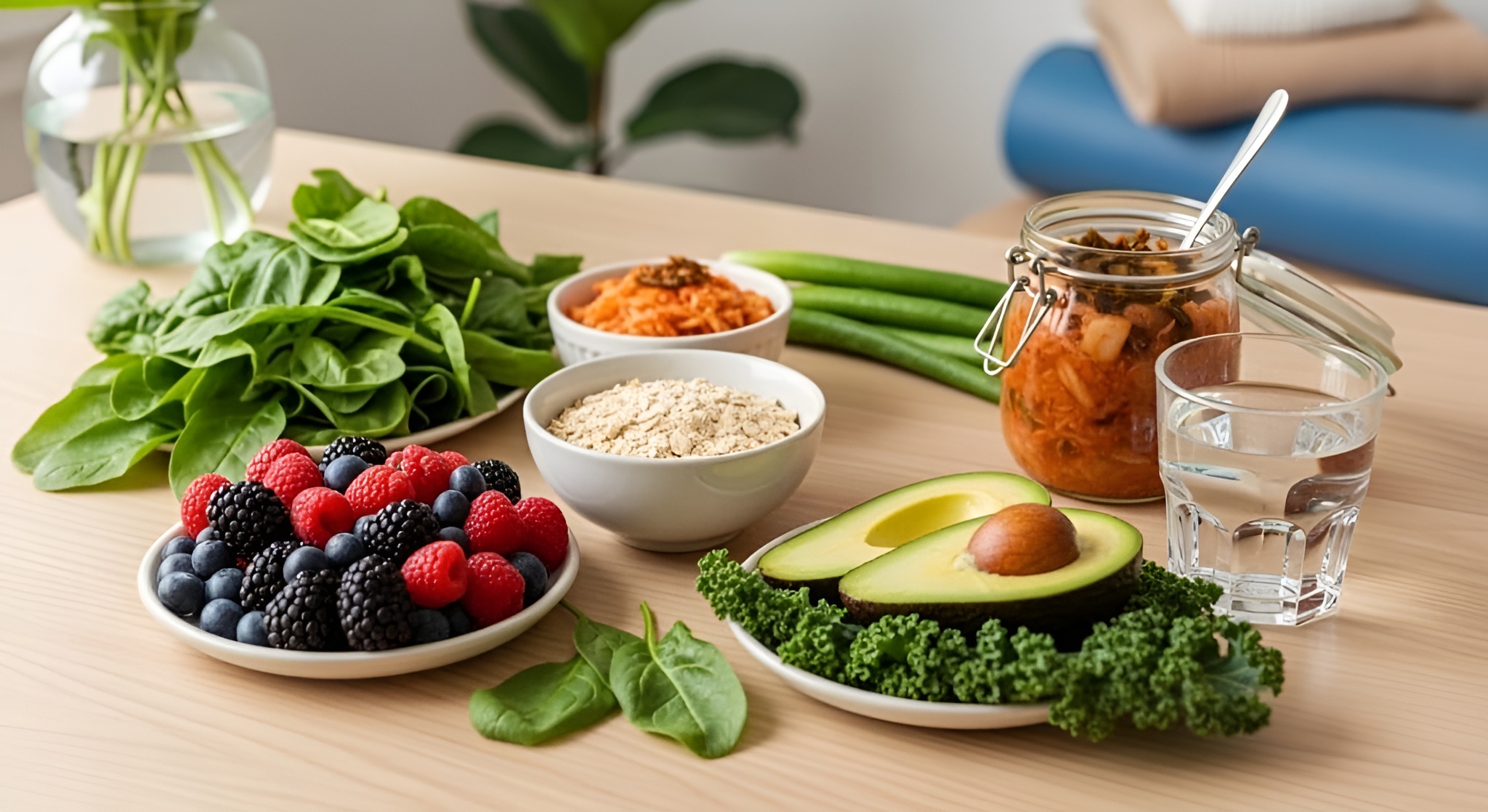
The health of your gut, often called your “second brain,” is far more important than just smooth digestion. It directly impacts your energy levels, mood, and the strength of your immune system.
In today’s fast-paced world, many people struggle with issues like bloating, discomfort, or general low energy. Often, these problems point to an imbalance in the gut microbiome, your internal ecosystem.
If you’ve ever wondered how to improve your gut health to feel energized and healthier every day, you are in the right place. This comprehensive guide will break down the essential steps—from diet and hydration to stress management and sleep—giving you actionable strategies to nurture your gut naturally.
Understanding the gut is the first step. Your digestive tract is home to trillions of microorganisms—bacteria, fungi, and viruses—collectively known as the gut microbiota.
A balanced and diverse community of these microbes is the foundation of good health. When harmful bacteria outweigh beneficial ones, an imbalance called dysbiosis occurs. This can lead to various issues, both digestive and systemic.
By making targeted changes to your lifestyle, you can cultivate a thriving internal environment. We will explore simple ways to enhance your gut health naturally, turning common habits into powerful tools for wellbeing.
Our journey begins with the most impactful area: the fuel you provide your body. Diet is the cornerstone of a healthy gut.
We’ll dive into specific foods and eating habits that nourish your gut bacteria and set the stage for optimal health. Prepare to transform your relationship with food and discover how a healthy gut can truly transform your life.
This guide covers everything—from the benefits of fermented foods and fiber to the harmful effects of highly processed ingredients—giving you a clear roadmap to achieving a happier, healthier gut, and consequently, a happier, healthier you.
The Pillars of Gut Health: Why Diet Matters Most
When looking at how to improve gut health, diet is the non-negotiable starting point. The food you eat serves as the primary source of nutrition for your gut bacteria. What you feed yourself, you feed your microbiome. This makes the choices on your plate the most powerful tool for promoting digestive wellness and overall vitality.
Fiber: The Essential Food for Your Gut Bacteria
Fiber is often highlighted for its role in keeping digestion regular, but its function goes much deeper. Fiber feeds your gut bacteria, acting as a “prebiotic” the food source for the beneficial microbes. When these bacteria ferment fiber in the colon, they produce short-chain fatty acids (SCFAs), such as butyrate, which is vital for the health of the intestinal lining, reducing inflammation, and even influencing brain function.
To keep your digestion smooth and your gut bacteria happy, you need to significantly increase your intake of diverse high-fiber foods. This means prioritizing:
- Whole Grains: Oats, barley, brown rice, and whole wheat bread.
- Legumes: Beans, chickpeas, and lentils (lentil is particularly high in fiber).
- Fruits: Berries, apples (with skin), pears, and bananas.
- Vegetables: Broccoli, artichokes, Brussels sprouts, and dark leafy greens.
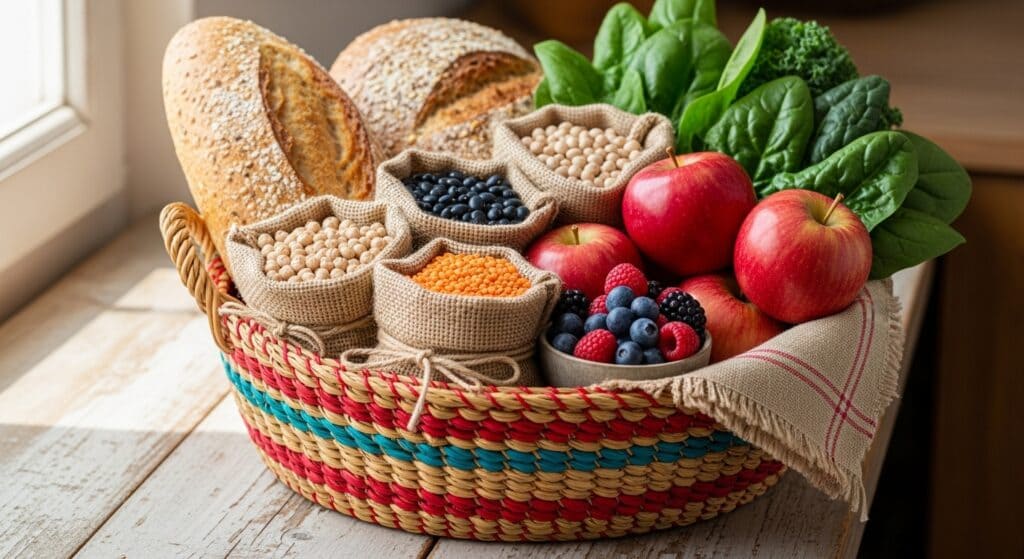
The goal isn’t just to eat more fiber, but to eat a variety of fibers. Each type of fiber feeds a different strain of bacteria, promoting the diversity that is key to a robust and resilient gut microbiome. Start slowly to allow your gut time to adapt, gradually increasing your intake over several weeks.
The Magic of Fermented Foods: Natural Probiotics
Fermented foods are a natural, delicious source of probiotics live microorganisms that, when consumed in adequate amounts, confer a health benefit on the host. Think of these as adding reinforcements to your gut’s beneficial bacteria army. The fermentation process increases the nutrient content and introduces a host of good bacteria.
To boost your gut microbiome, you should regularly add these fermented foods to your diet:
- Yogurt and Kefir: Choose plain, unsweetened varieties with “live and active cultures.” Kefir is particularly rich in diverse bacterial strains.
- Sauerkraut and Kimchi: These are fermented cabbage dishes. Sauerkraut is great for beginners; kimchi provides a spicy kick.
- Kombucha: A fizzy, fermented tea. Look for low-sugar options.
- Tempeh and Miso: Fermented soy products that are excellent sources of probiotics and protein.
Fermented foods offer a simple, enjoyable way to support the balance of your gut flora. However, if you are new to them, start with small amounts (a few tablespoons of sauerkraut, a small glass of kefir) and gradually increase as your body adjusts. This is a practical and direct way to address the question of how to naturally improve your gut health.
The Harmful Effect of Processed Foods and Sugar
While you add beneficial foods, you must also limit the consumption of ingredients that actively harm your gut bacteria. Processed foods, refined sugars, and artificial additives are detrimental to a healthy gut microbiome. They tend to feed the harmful bacteria strains, leading to overgrowth and inflammation.
Processed foods, such as sugary snacks and fast food, are often low in the fiber that beneficial bacteria thrive on and high in ingredients that promote inflammation. Specifically, you should limit:
| Ingredient to Limit | Impact on Gut Health | Recommended Whole Food Choice |
| Sugary Snacks/Drinks | Feeds harmful yeast/bacteria; creates imbalance (dysbiosis). | Fresh fruit (natural sugars + fiber). |
| Fast Food/Deep Fried Food | High in inflammatory fats and low in essential nutrients/fiber. | Lean protein and baked/roasted vegetables. |
| Artificial Additives | Emulsifiers and artificial sweeteners can disrupt the mucus layer and gut lining. | Whole, natural foods seasoned with herbs and spices. |
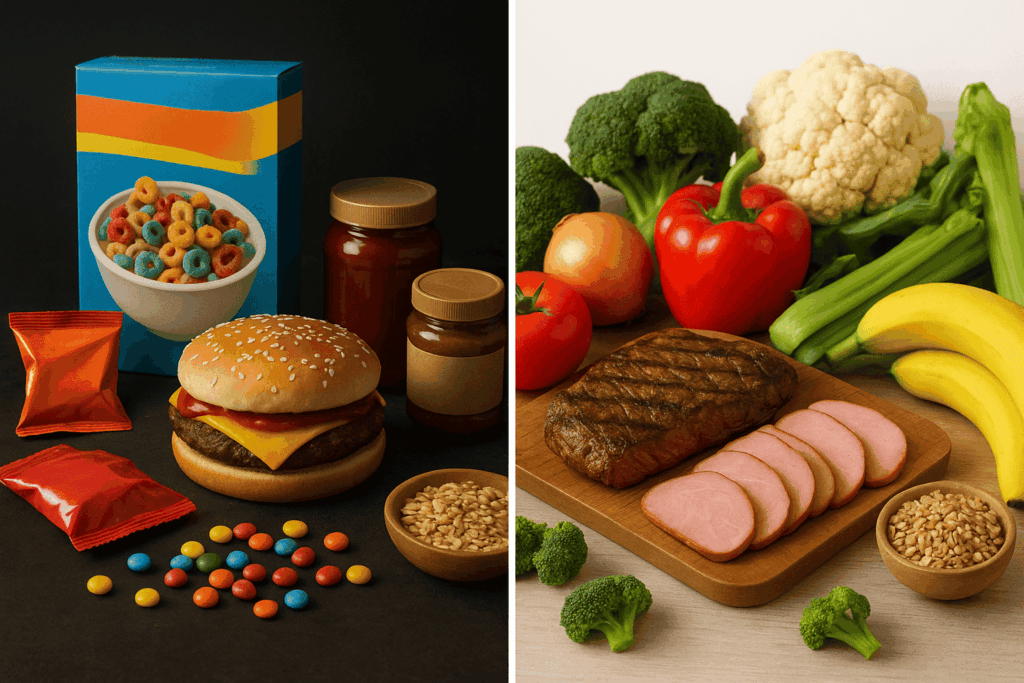
Choosing whole, natural foods forms the basis of a long-term strategy for a resilient and balanced gut. By reducing the intake of these harmful substances, you give your beneficial bacteria a fighting chance to thrive.
Beyond Diet: Lifestyle Factors that Support Digestion
While food is fundamental, answering how to improve your gut health requires a holistic approach that includes critical lifestyle factors. Your digestive system is exquisitely sensitive to your daily habits, stress levels, and even your sleep schedule. Optimizing these areas provides a supportive environment where your gut can repair and flourish.
Hydration: The Lubricant for Smooth Digestion
Water is an unsung hero of digestive health. It is essential for every metabolic process in the body, including digestion and the absorption of nutrients. Drinking plenty of water daily is crucial because it:
- Keeps Bowel Movements Smooth: Water adds bulk and softness to stools, preventing constipation, which is a common source of discomfort.
- Supports Gut-Friendly Bacteria: Hydration helps maintain the mucosal lining of the gut, which is a protective barrier and the habitat for many beneficial bacteria.
- Aids Nutrient Absorption: Water acts as a solvent, helping your body dissolve nutrients so they can be absorbed into the bloodstream.

Aim to drink half your body weight in ounces of water per day, or simply ensure your urine is pale yellow. Dehydration is one of the quickest ways to slow down your entire digestive process.
Stress Management: A Calm Mind Equals a Happy Gut
The connection between your brain and your gut, known as the gut-brain axis, is a two-way superhighway. Stress harms your gut by slowing down digestion, altering the composition of your gut bacteria, and increasing gut sensitivity, often leading to conditions like Irritable Bowel Syndrome (IBS).
Managing chronic stress is therefore a powerful strategy for improving your digestive health. Incorporate proven relaxation techniques into your daily routine:
- Meditation: Even 10 minutes a day can calm the nervous system and reduce stress hormones.
- Deep Breathing Exercises: Simple, slow, and deep inhales and exhales activate the parasympathetic “rest and digest” system.
- Yoga or Light Exercise: These activities are excellent for releasing tension and stimulating gut motility.

By cultivating a calm mind, you actively promote a happy gut. This is one of the most effective non-dietary interventions for digestive wellness.
Sleep and Repair: The Nighttime Gut Rebuild
Sleep is not a luxury; it is a time of essential repair and balance for the entire body, including the gut. Poor or insufficient sleep can disrupt the natural circadian rhythm of your gut, impacting the delicate balance of the microbiome and potentially leading to leaky gut issues.
To support gut repair and balance, you should aim for 7–9 hours of quality sleep per night. Good sleep hygiene helps to:
- Support Digestion: When you sleep, your digestive system has time to recover and prepare for the next day’s work.
- Promote Healthy Gut Bacteria: The diversity and health of your gut bacteria are intertwined with your sleep cycle.
Simple changes, like maintaining a consistent sleep schedule and creating a cool, dark environment, can dramatically improve both your sleep quality and your gut health.
Physical Activity: Stimulating Digestion and Diversity
Regular physical activity stimulates digestion and supports beneficial gut bacteria. Exercise increases blood flow to the digestive tract, which helps move food through the system more efficiently, reducing the risk of constipation and bloating. Furthermore, studies suggest that exercise can increase the diversity and presence of beneficial bacteria in the gut.
You don’t need intense workouts; simple activities can make a big difference:
- Daily Walk: A brisk 30-minute walk after a meal aids digestion.
- Light Jogging or Cycling: Great for stimulating the system.
- Yoga or Stretching Exercise: Can help relieve gas and bloating by manipulating the digestive organs.

Incorporating movement is a simple, effective step in the process of how to improve your gut health because it addresses both mechanical (motility) and microbial factors.
Advanced Strategies for a Thriving Gut Microbiome
Having established the foundational role of diet, hydration, and lifestyle, we now move into more specific, advanced strategies for enhancing your gut health. These steps focus on refining your nutrition and understanding the systemic impact of a healthy gut.
The Gut-Immunity Connection: Beyond Digestion
Your gut affects more than just digestion; it is the control center for your overall wellbeing. A staggering 70-80% of your immune cells reside in the gut-associated lymphoid tissue (GALT). Therefore, a healthy gut directly translates to a robust immune system. It also significantly impacts your energy levels and mood due to the production of neurotransmitters (like serotonin) within the gut.
A healthy, diverse gut flora helps to:
- Boost Immunity: By strengthening the gut barrier and training immune cells.
- Increase Energy: By efficiently absorbing essential nutrients like B vitamins and iron.
- Stabilize Mood: By producing neurotransmitters that communicate directly with the brain.
This wider influence underscores the importance of learning how to improve your gut health naturally. It’s not just about stopping the bloat; it’s about unlocking your full potential for health and vitality.

Prebiotic Supplements vs. Food-Based Prebiotics
While you can get all the prebiotics you need from food, some people benefit from targeted prebiotic supplements, especially those high in ingredients like inulin or FOS (Fructooligosaccharides).
| Prebiotic Source | Description | Benefit |
| Food-Based | Garlic, onion, asparagus, unripe bananas, chicory root. | Provides diverse fibers, vitamins, and minerals alongside prebiotics. Less chance of sensitivity. |
| Supplement-Based | Concentrated powder or capsules (Inulin, FOS, GOS). | High-dose, convenient, and targeted for specific microbial growth. |
If choosing a supplement, start with a very low dose to avoid excessive gas and bloating, which can occur when the bacteria begin to ferment the fibers. Always consult a healthcare provider before starting any new supplement regimen.
The Role of Probiotic Supplements
Probiotic supplements are concentrated doses of specific bacterial strains. They are not a replacement for a healthy diet, but they can be helpful in certain situations:
- After Antibiotics: To replenish the beneficial bacteria wiped out by the medication.
- Targeted Issues: Specific strains (e.g., Lactobacillus rhamnosus GG for diarrhea or Bifidobacterium infantis for IBS) may offer targeted relief.
- To Support a Healthy Balance: A high-quality, multi-strain probiotic can support a healthy gut balance during times of stress or dietary change.
Tip: Look for probiotics that are kept refrigerated (if applicable) and have a high CFU (Colony Forming Unit) count, preferably 10 billion or more, and contain multiple strains of Lactobacillus and Bifidobacterium.
Practical Application and Long-Term Gut Wellness
Mastering how to improve your gut health is a marathon, not a sprint. It requires consistency, patience, and a willingness to listen to your body’s feedback. This final section provides practical, daily tips and addresses the common questions that arise on this wellness journey.
Starting Your Gut Health Journey Today
The biggest barrier to change is often knowing where to start. You don’t need to overhaul your entire diet and lifestyle overnight. Start small, focusing on one or two habits you can realistically maintain.
Actionable Steps for the Next 7 Days:
- Add Fiber Power: Commit to eating one serving of legumes (beans or lentils) and two servings of diverse vegetables per day.
- Hydrate Mindfully: Drink a large glass of water immediately upon waking and ensure you carry a reusable water bottle throughout the day.
- Introduce Probiotics: Have a small serving of plain yogurt or kefir every morning.
- Move Daily: Take a 20-minute walk after dinner.
- Wind Down: Start a 10-minute deep breathing or meditation routine before bed.

The Importance of Variety and Mindful Eating
Variety is the ultimate secret to a diverse and resilient gut microbiome. The greater the range of plant-based foods you consume different types of vegetables, fruits, grains, nuts, and seeds the more diverse the food sources for your gut bacteria, which in turn leads to a healthier and more robust community.
Furthermore, adopt mindful eating habits:
- Chew Your Food: Digestion begins in the mouth. Chewing thoroughly helps break down food and signals the production of digestive enzymes.
- Eat Slowly: This reduces the amount of air swallowed, minimizing bloating, and allows your body to register fullness, preventing overeating.
- Avoid Eating When Stressed: As discussed, stress impairs digestion. Take a few deep breaths before you start eating.
These practices, known as digestive hygiene, complement the quality of your food choices, ensuring the hard work you put into your diet is properly utilized by your body.
Frequently Asked Questions (FAQ)
What are the best foods to eat daily for gut health?
The best daily foods include high-fiber items like oats, lentils, and diverse vegetables (especially leafy greens and roots), along with fermented foods such as plain yogurt, kefir, and sauerkraut, which provide natural probiotics.
How long does it take to improve gut health?
Significant improvements can often be noticed within a few weeks of consistent dietary and lifestyle changes. Full, lasting changes to the gut microbiome can take 1 to 3 months, depending on the severity of the initial imbalance (dysbiosis). Consistency is key.
Can stress permanently damage my gut?
Chronic, high levels of stress can cause sustained inflammation, alter gut motility, and change the balance of gut bacteria, potentially leading to long-term issues like leaky gut or IBS. However, the gut is highly resilient and can heal with proper stress management and targeted lifestyle changes.
Are all fermented foods good sources of probiotics?
No. While many fermented foods are great, some processes (like baking bread or pasteurizing after fermentation) kill the live bacteria. Look for products labeled “contains live and active cultures” (yogurt) or those stored in the refrigerator (sauerkraut, kombucha).
Should I take a prebiotic or a probiotic first?
A balanced, fiber-rich diet provides the best foundation (prebiotics). If you have specific digestive symptoms or have recently taken antibiotics, a high-quality probiotic supplement can be beneficial to introduce good bacteria while you work on your diet.
What are common signs that my gut health is poor?
Common signs include persistent bloating, gas, constipation or diarrhea, food sensitivities, unexplained fatigue, frequent mood changes (anxiety/depression), and a weakened immune system (getting sick often).
Conclusion: Start Improving Your Gut Today!
You now have a complete, actionable roadmap for how to improve your gut health naturally. We’ve covered the crucial role of fiber and fermented foods, the importance of eliminating harmful processed items, and the systemic effects of hydration, sleep, stress management, and physical activity. Your gut is a complex and powerful system that affects every part of your wellbeing from your immune defense to your mental clarity.
The good news is that the gut is also incredibly responsive. Even small, consistent changes can lead to noticeable improvements in your energy, mood, and digestion. Remember the key principles: Eat fiber, stay hydrated, manage stress, and ensure quality sleep.
Don’t wait for digestive discomfort to force a change. Start improving your gut today! We encourage you to pick one strategy perhaps adding a spoonful of sauerkraut to your lunch or committing to a 10-minute walk and make it a non-negotiable part of your daily routine. By nurturing your gut microbiome, you are investing in a healthier, more vibrant future. Tap into the power of your gut and feel the difference!
Leave a Reply