

Why Your Heart Deserves a Deeper Look
Your heart is the most reliable engine in biology — beating non-stop, 24/7, for decades. Despite this, cardiovascular disease remains the world’s leading cause of death. But the overwhelming majority of cases are driven by modifiable factors.
Here, you’ll learn exactly how to improve heart health using mechanisms proven and discussed by globally recognized medical institutions such as the NIH, Mayo Clinic, Cleveland Clinic, and Harvard Medical School. This is the evidence-based roadmap most people never receive.
Section 1: The Microscopic Shield — Endothelial Function and Nitric Oxide
The Endothelium: The Most Important Surface in Your Body
The Endothelium is a thin, intelligent layer lining every artery — acting like a biochemical command center. It produces a vital molecule: Nitric Oxide (NO).
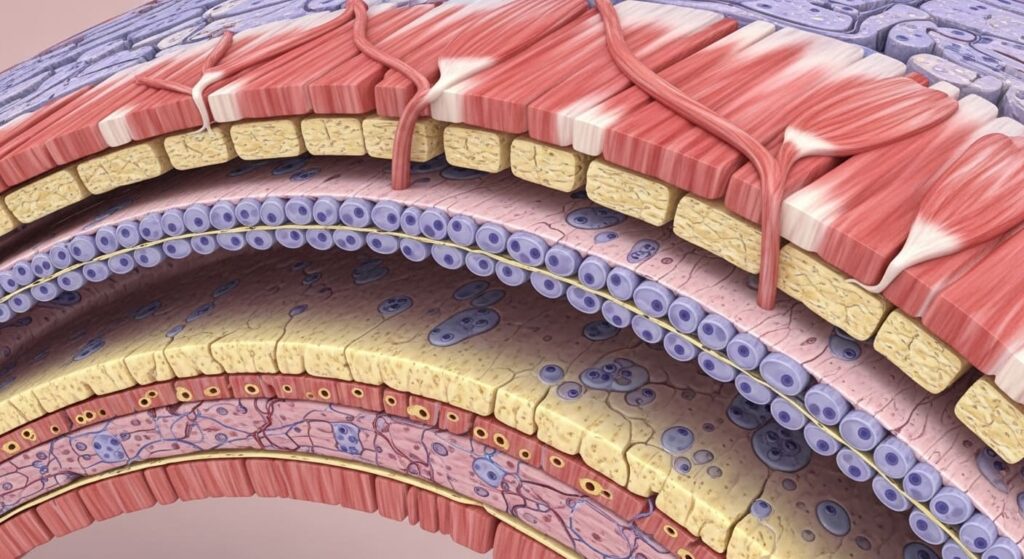
NO Controls Three Critical Functions:
| NO Function | Benefit | Analogy |
| Vasodilation | Relaxes the vessel walls → lowers blood pressure | Opens more highway lanes |
| Anti-Clotting | Prevents platelets from sticking | Non-stick coating |
| Anti-Inflammatory | Blocks inflammatory cell entry | Security guard |
The importance of Nitric Oxide production is well established in research through the U.S. National Institutes of Health (NIH) and consistently referenced in cardiovascular physiology.
When NO drops, due to sugar intake, stress, smoking, or poor sleep, Endothelial Dysfunction begins — considered by the Cleveland Clinic and major cardiology guidelines as the earliest detectable stage of cardiovascular disease.
1.2 Stress and Blood Vessels: A Hidden Source of Damage
Chronic stress elevates cortisol and adrenaline, forcing vessels to constrict. Over time:
- BP rises
- Shear stress damages the Endothelium
- NO production declines
- Inflammation rises
This is a biochemical pathway repeatedly referenced in cardiovascular literature across institutions like Harvard Medical School.
Section 2: Cholesterol Clarity Beyond “Good and Bad”
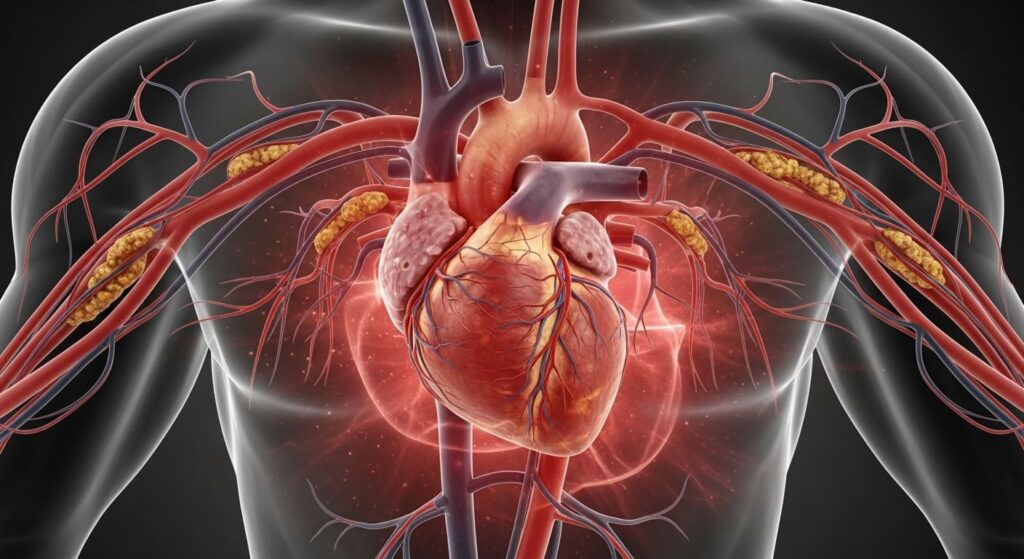
Small, Dense LDL (sdLDL): The Real Villain
Not all LDL is the same.
- Large, fluffy LDL → less harmful
- Small, dense LDL (sdLDL) → highly atherogenic
sdLDL particles:
- Penetrate damaged Endothelium
- Oxidize easily
- Spark inflammation
- Form plaque rapidly
Harvard Medical School and many preventive cardiology experts highlight sdLDL as a superior risk marker compared to total LDL.
The biggest trigger? High triglycerides, driven by excess sugar and refined carbohydrates.
Lp(a): Genetics You Must Know
Lp(a) is a genetically determined lipoprotein. Levels do not significantly change with diet or exercise.
High Lp(a):
- Increases clotting risk
- Accelerates plaque
- Raises early heart disease risk
Major cardiology guidelines strongly recommend testing Lp(a), especially if there is family history.

Section 3: Nutrition — The Daily Chemistry That Builds (or Breaks) Your Heart
The Most Impactful Change: Reduce Sugar
Cutting added sugars:
- Lowers triglycerides
- Reduces sdLDL formation
- Restores Endothelial health
- Lowers inflammation
This is fully aligned with the nutrition guidance of institutions like the American Heart Association.
Try This Today:
Check three labels in your kitchen.
If a product has more than 5g of Added Sugars per serving → replace it or reduce consumption.
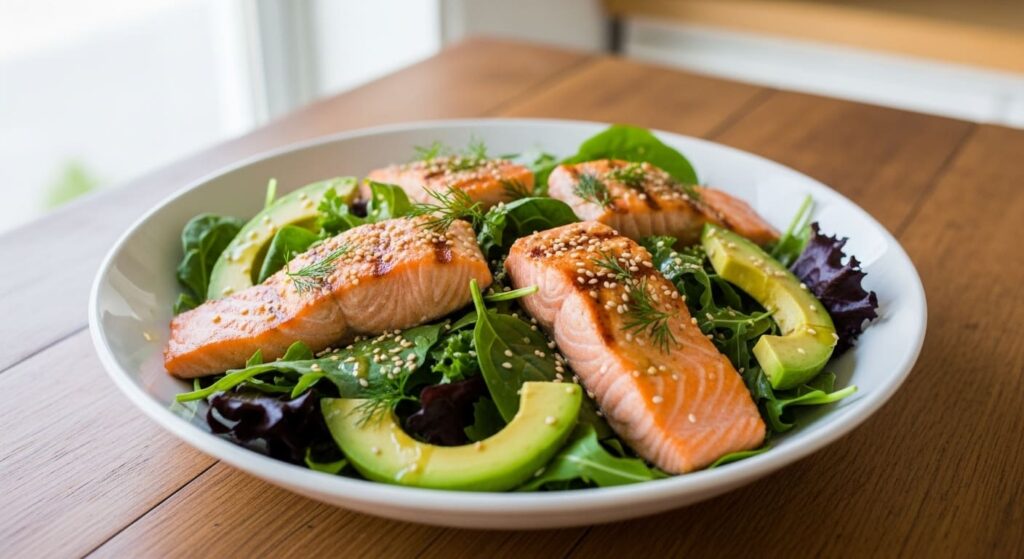
The Anti-Inflammatory Trio
| Nutrient | Heart Benefit |
| Omega-3s | Lower triglycerides, reduce inflammation, improve membrane fluidity |
| Magnesium | Relaxes vessel walls, supports heart rhythm |
| Potassium | Balances sodium, lowers blood pressure |
These roles are widely referenced in cardiovascular nutrition research supported by Mayo Clinic and NIH publications.
Section 4: The Movement Prescription
4.1 Aerobic Exercise → Boosts Nitric Oxide (NO)
Moderate cardio increases “shear stress,” signaling Endothelium to release Nitric Oxide. Aim for 150 minutes/week.

4.2 Strength Training → Metabolic Protection
More muscle = better insulin sensitivity = fewer sdLDL particles. Aim for 2 sessions/week.

4.3 Movement Snacks
Standing every hour improves vascular tone and reduces sedentary NO decline.
Section 5: Mind, Sleep & HRV — The Silent Heart Drivers
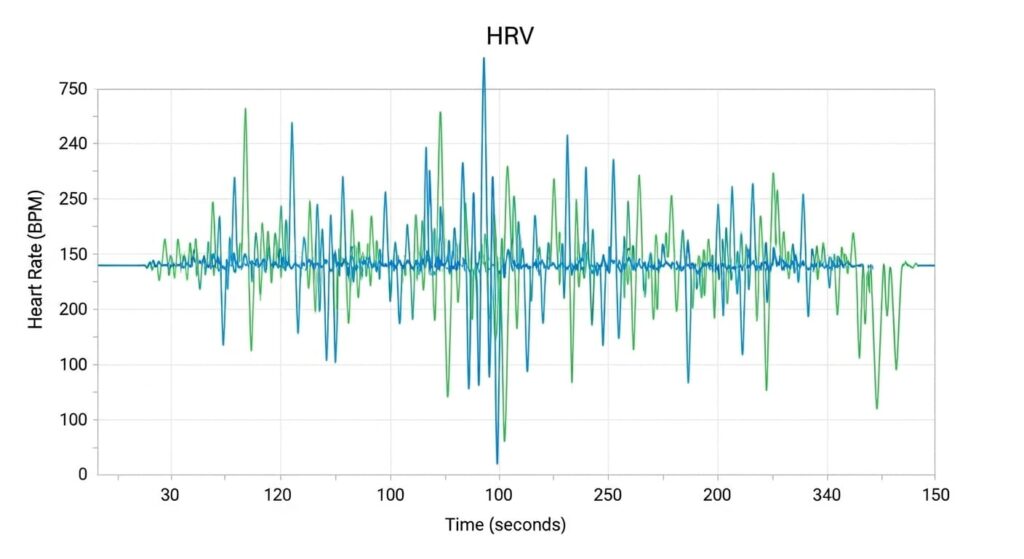
5.1 HRV: Your Resilience Meter
HRV (Heart Rate Variability) is widely discussed by Mayo Clinic and autonomic research centers as a strong indicator of stress, recovery, and cardiovascular adaptability.
5.2 Vagus Nerve Activation
Deep breathing and cold water exposure are proven methods to activate the parasympathetic system (rest and digest).
5.3 Sleep Apnea
OSA (Obstructive Sleep Apnea) triggers nightly adrenaline bursts and oxygen drops — strongly linked to hypertension and atrial fibrillation. Treat sleep apnea promptly.
Section 6: The Advanced Metrics That Truly Predict Risk
6.1 hs-CRP — The Inflammation Signal
Elevated hs-CRP (high-sensitivity C-Reactive Protein) reflects chronic low-grade inflammation. The association between inflammation and plaque progression is extensively published in journals indexed in PubMed and The Lancet.

6.2 CAC Score — The Damage Detector
A CAC (Coronary Artery Calcium) scan directly shows calcified plaque.
- Score 0 → extremely low short-term risk
- Any score ≥ 1 → plaque exists
- Score ≥ 100 → requires aggressive management
The CAC score’s value is heavily emphasized across major cardiology guidelines.
Section 7: Common Heart Myths (Corrected by Science)
| Myth | Correction |
| Butter bad, margarine good? | No — trans fats are the real danger. |
| Exercise cancels bad diet? | No — sdLDL and inflammation are diet-driven. |
| “I feel fine, so BP must be fine.” | No — hypertension is silent. Monitor BP weekly. |
Section 8: Who Needs Extra Attention
Higher vigilance is needed for individuals with:
- Family history of heart disease
- Metabolic syndrome
- Autoimmune diseases (linked to high inflammation)
- Known or suspected sleep apnea
These risk amplifiers are consistently recognized across global cardiology guidelines.
Section 9: Common Mistakes That Harm the Heart
- Avoiding healthy fats (e.g., olive oil, nuts)
- Living as a “weekend warrior” (inconsistent intense exercise)
- Ignoring gum health (oral inflammation → can trigger systemic inflammation)
- Skipping strength training
Section 10: Evidence-Based Supplements
(Always discuss with a healthcare provider.)

- Omega-3s – lowers triglycerides
- CoQ10 – supports statin users
- Magnesium Glycinate/L-Threonate – improves BP & sleep
- Red Yeast Rice – contains statin-like compounds; use medically supervised
Section 11: When This Guide Is NOT Enough
Seek immediate medical attention if experiencing:
- Chest pain
- Severe shortness of breath
- Fainting or palpitations
- Blood pressure consistently above 140/90
- CAC Score > 100 or very high Lp(a)
Heart Longevity Checklist
| Category | Goal |
| Nutrition | <25g added sugar/day, 5+ servings of vegetables, olive oil as primary fat |
| Movement | 150 minutes cardio/week, 2 strength sessions/week, move every hour |
| Metrics | Monitor BP weekly, check hs-CRP annually, know your triglycerides |
| Mind & Sleep | 7–9 hours sleep, daily Vagus Nerve breathing, treat sleep apnea promptly |
Conclusion: Build a Heart That Lasts
Improving heart health is about daily chemistry — protecting your Endothelium, generating Nitric Oxide, lowering inflammation, and supporting autonomic balance. These mechanisms are emphasized across respected medical institutions worldwide.
Choose one habit today. Then build from there. That’s how cardiovascular longevity begins.
Leave a Reply