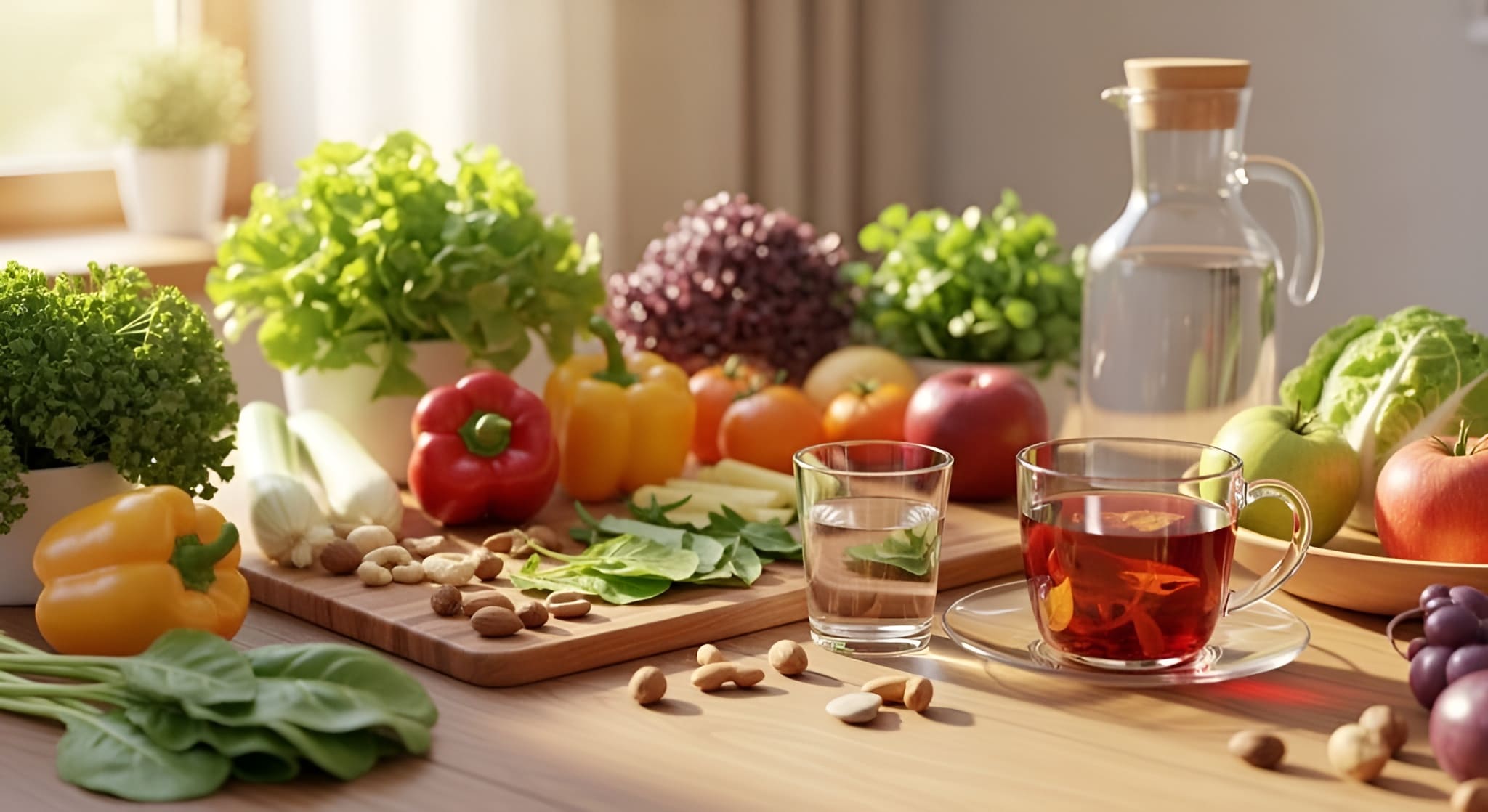
In today’s fast-paced world, it’s easy to overlook one of your body’s most essential organs: the liver. It filters toxins, metabolizes nutrients, produces bile, and supports dozens of vital functions every single day.
But modern lifestyles often overload this system. Processed foods, excess sugar, alcohol, environmental toxins, and chronic stress place continuous pressure on the liver often long before symptoms appear.
For many people, liver issues only become noticeable once symptoms appear, such as… fatigue, digestive discomfort, or unexplained weight changes.
The good news is that you don’t need harsh cleanses or expensive supplements to support liver health. Simple, natural lifestyle strategies can improve liver function, boost energy, and enhance overall well-being.
This article will guide you through practical, evidence-based ways to support your liver naturally, including hydration, nutrition, herbal support, exercise, sleep, and lifestyle adjustments. By the end, you’ll have a comprehensive plan to help your liver thrive, restore balance in your body, and maintain long-term health.
Tip: Supporting your liver naturally not only protects against liver disease but also improves energy, immunity, and mental clarity.
Understanding Liver Stress: Causes and Challenges
The liver performs more than 500 essential tasks that keep your body in balance. Beyond detoxification, it regulates hormones, stores nutrients, and supports metabolism. When this system becomes overwhelmed, the body quickly feels the impact.
Common Causes of Liver Stress
- Excessive Alcohol Consumption
The liver is responsible for metabolizing alcohol, and chronic intake can lead to inflammation, fatty liver, fibrosis, or even cirrhosis. Even moderate consumption increases oxidative stress, gradually impairing liver function. - Poor Diet and Processed Foods
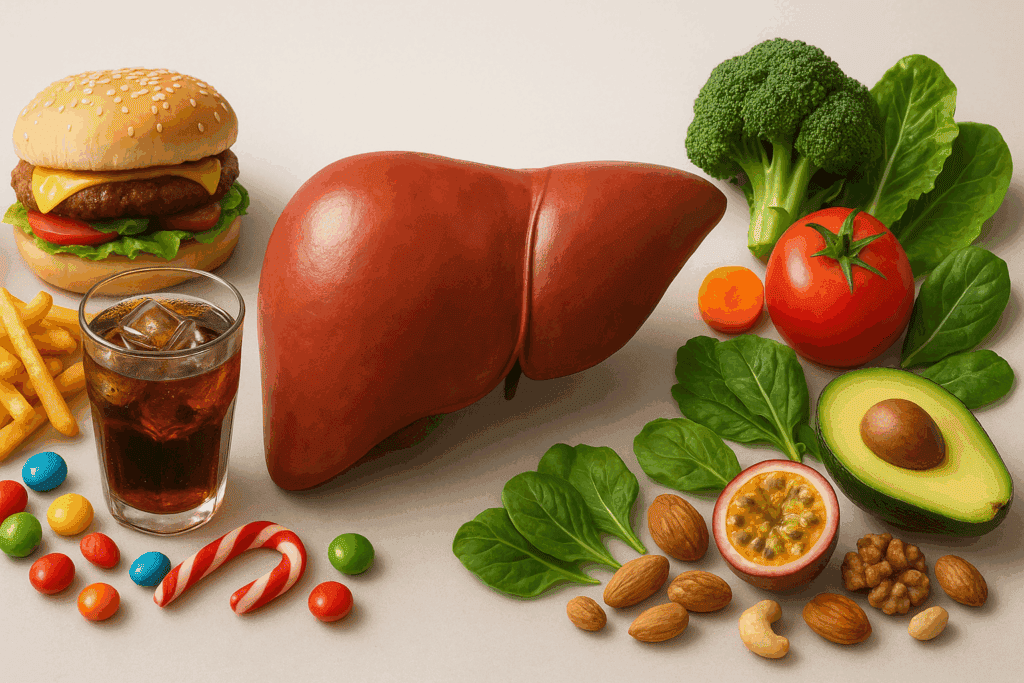
Diets rich in refined sugars, trans fats, and preservatives place a heavy burden on the liver. Fast food, sugary snacks, fried meals, and processed meats increase fat buildup, promote inflammation, and interfere with detoxification. - Environmental Toxins
Daily exposure to chemicals, pesticides, heavy metals, and air pollution forces the liver to work continuously. Over time, this reduces its efficiency and increases oxidative damage. - Medication Overuse
Common medications, including painkillers, antibiotics, and over-the-counter drugs, are metabolized by the liver. Frequent or high-dose use can increase liver enzyme levels, a marker of liver stress. - Chronic Stress and Poor Sleep
Elevated cortisol levels from chronic stress impair liver metabolism. Inadequate sleep also reduces the liver’s ability to repair itself, affecting detox pathways and overall regeneration. - Sedentary Lifestyle
Lack of physical activity is strongly linked to fatty liver disease. Exercise improves blood flow and metabolism, aiding in the elimination of toxins and reducing fat accumulation.
Signs Your Liver May Need Support
- Persistent fatigue or low energy levels, Digestive discomfort, bloating, or irregular bowel movements Unexplained weight gain or difficulty losing weight Skin issues such as acne, dull complexion, or eczema Yellowing of the skin or eyes (in severe cases) Frequent headaches or brain fog
Tip: If you experience multiple symptoms, consult a healthcare professional. Natural support complements medical guidance, but it should not replace it.
Natural Liver Detox Solutions
Supporting your liver naturally focuses on lifestyle, diet, and simple daily habits rather than extreme detox programs.
1. Drink Plenty of Water
Hydration is essential for detoxification. Water helps flush out toxins and supports efficient liver function.
It also assists in bile production, blood filtration, and nutrient transport — processes that directly influence liver health.
- Recommendation: Drink at least 8 glasses (2 liters) per day, more if you are active or live in a hot climate.
- Enhancements: Add lemon slices, cucumber, or a splash of green tea for antioxidants.
Why it works: Water supports bile production, blood filtration, and nutrient transport — all essential for healthy liver detoxification.
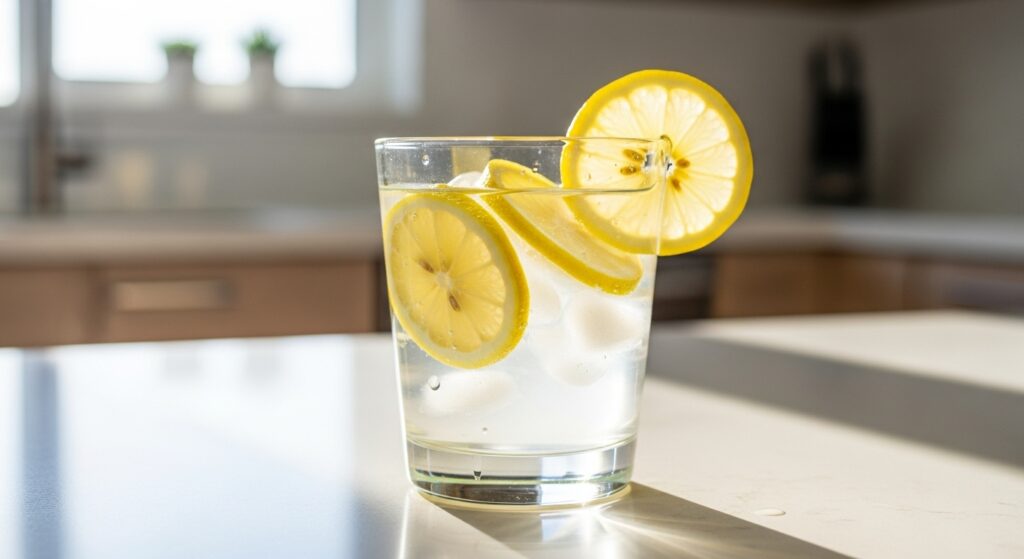
Tip: Start your day with a glass of water to jumpstart your metabolism and liver function.
2. Best Foods to Support Liver Health and Reduce Inflammation
Some foods provide antioxidants, vitamins, and minerals that directly support liver regeneration and detoxification:
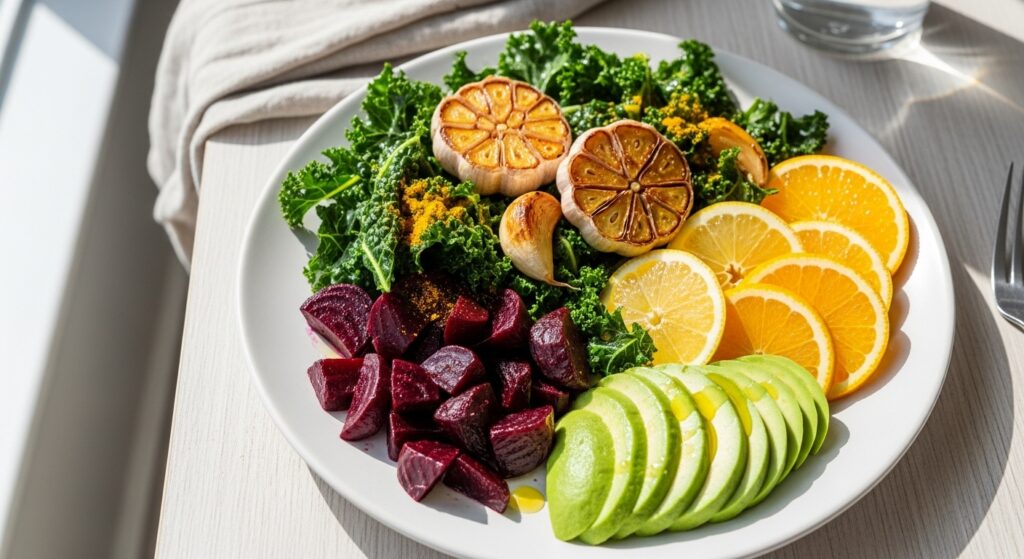
- Beets: Research shows that beets are rich in betaine, a compound associated with reduced inflammation and improved liver enzyme levels.
- Leafy greens: improve bile flow and help neutralize toxins.
- Garlic: contains sulfur compounds that activate detox enzymes.
- Turmeric: curcumin reduces inflammation and supports bile production.
- Avocados: provide glutathione precursors essential for detox.
- Citrus fruits: vitamin C protects liver cells and supports repair.
- Nuts and seeds: rich in healthy fats and vitamin E, reducing oxidative stress.
Tip: Aim for a colorful plate at every meal, incorporating 3–4 liver-friendly ingredients.
3. Incorporate Herbal Support
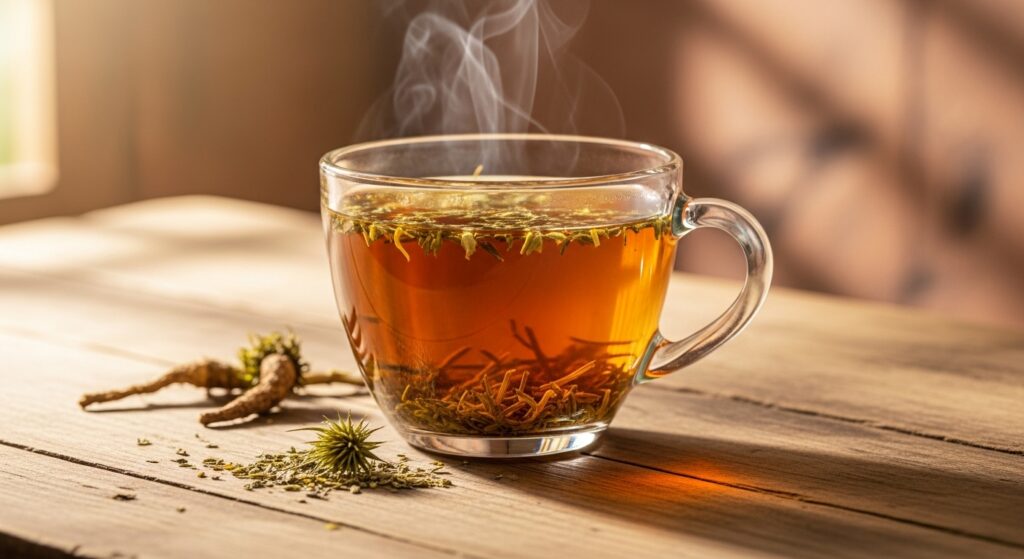
Several herbs have been traditionally used to support liver health:
- Milk thistle: protects liver cells and supports regeneration.
- Dandelion root: stimulates bile production and improves digestion.
- Ginger and turmeric: reduce inflammation and oxidative stress.
These herbs can be consumed as teas or supplements, preferably with professional guidance.
4. Limit Alcohol and Processed Foods
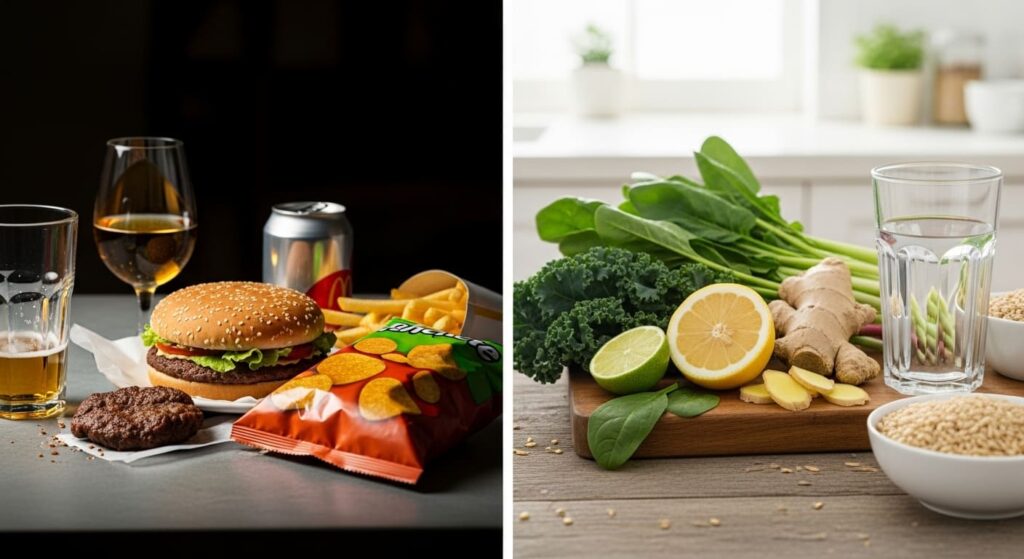
Excessive alcohol and processed foods are among the most preventable causes of liver stress.
- Limit alcohol intake to moderate levels or eliminate it entirely.
- Avoid fast foods, sugary drinks, fried foods, and processed snacks.
- Prepare meals at home using fresh, whole ingredients.
Why it matters: These substances introduce toxins and fat that the liver must process, increasing oxidative stress and impairing detoxification.
5. How Exercise Improves Liver Function and Reduces Fat Accumulation
Physical activity is vital for liver health. It improves blood circulation, reduces fat accumulation, and enhances the body’s detox pathways.
Recommended Routines:
- Brisk walking or jogging: 30–45 minutes daily
- Yoga or Pilates: improves stress management and liver function
- Strength training: boosts metabolism and supports detoxification
Tip: Even short bouts of activity throughout the day can significantly benefit liver health.

6. Prioritize Quality Sleep
Sleep allows the liver to repair and regenerate. Lack of sleep reduces detoxification efficiency and energy levels.
- Recommendation: 7–8 hours of uninterrupted sleep per night.
- Tip: Maintain a consistent bedtime and avoid screens before sleep.

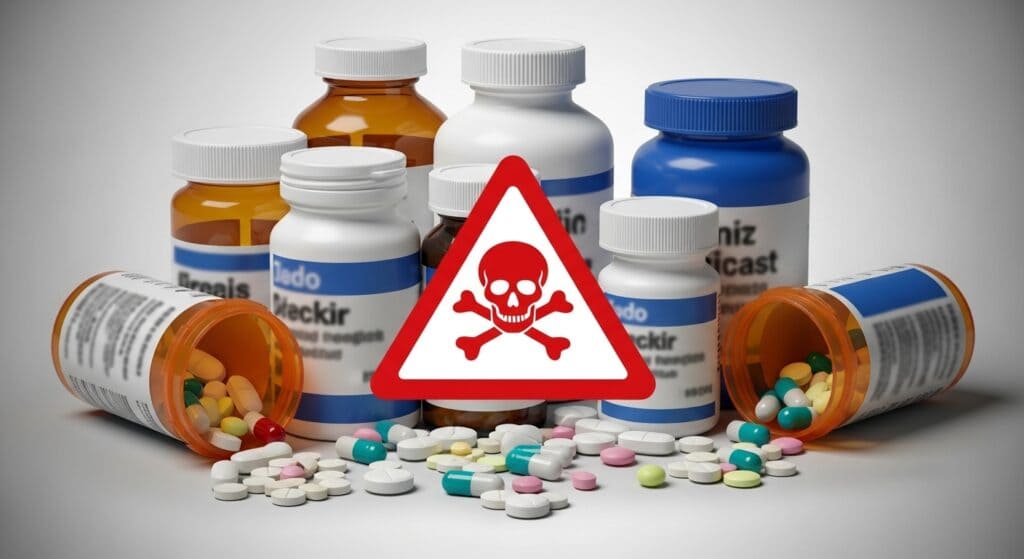
7. Avoid Overuse of Medications
Many medications are metabolized in the liver. Overuse can impair liver function and slow detoxification.
Best Practices:
- Follow prescription instructions strictly.
- Avoid unnecessary supplements or over-the-counter medications.
- Consult your doctor before starting new remedies.
Practical Daily Routine for Liver Support
Morning
• Lemon water — boosts hydration and bile flow
Breakfast
• Smoothie with leafy greens & turmeric — antioxidant + anti-inflammatory
Midday
• Herbal tea — supports bile flow
Lunch
• Beets, garlic, avocado — liver-support nutrients
Afternoon
• Light exercise — improves circulation
Evening
• Relaxation / yoga — reduces stress hormones
Night
• 7–8 hours sleep — liver repair

Studies Supporting Natural Liver Detox
- Milk Thistle: Clinical trials show improved liver enzyme levels and protection against fatty liver.
- Turmeric/Curcumin: Reduces oxidative stress and inflammation in liver tissue.
- Antioxidant-Rich Diets: Associated with reduced fat accumulation and improved liver function in multiple studies.
Tip: Evidence supports sustainable lifestyle changes over short-term detox products.
Common Myths About Liver Detox
- You need expensive supplements. Fact: Whole foods, water, herbs, and lifestyle changes are often sufficient.
- Fasting is required. Fact: Long-term fasting may stress the liver; moderate, consistent nutrition is safer.
- Detox works overnight. Fact: Natural detox is gradual and requires consistent habits.
Liver Detox & Liver Health: Frequently Asked Questions (FAQ)
Q1: Can I detox my liver in one week?
A1: Natural liver detox requires time. Long-term consistency is more effective than quick fixes.
Q2: Are liver detox teas effective?
A2: Herbal teas like milk thistle and dandelion can support liver health but are best combined with a healthy lifestyle.
Q3: How do I know if my liver is healthy?
A3: Blood tests, liver enzyme levels, energy levels, and digestive health provide indicators.
Q4: Can I drink alcohol during liver detox?
A4: It’s best to limit or avoid alcohol to reduce stress on the liver.
Q5: Which foods are most harmful to the liver?
A5: Processed foods, sugary drinks, fried foods, and excessive alcohol are major contributors.
Q6: Can exercise help improve liver function?
A6: Yes, regular physical activity boosts circulation, reduces fat buildup, and supports detoxification pathways.
Conclusion
Supporting your liver naturally is about consistent daily habits, not extreme cleanses. Hydration, nutrient-dense foods, herbal support, exercise, quality sleep, and reduced alcohol intake form the foundation of liver health.
Start with one or two changes today. Over time, your liver will reward you with more energy, better digestion, and improved overall wellness.
Disclaimer: This article is for educational purposes only and does not replace professional medical advice. Consult a healthcare provider for personalized recommendations.
Leave a Reply